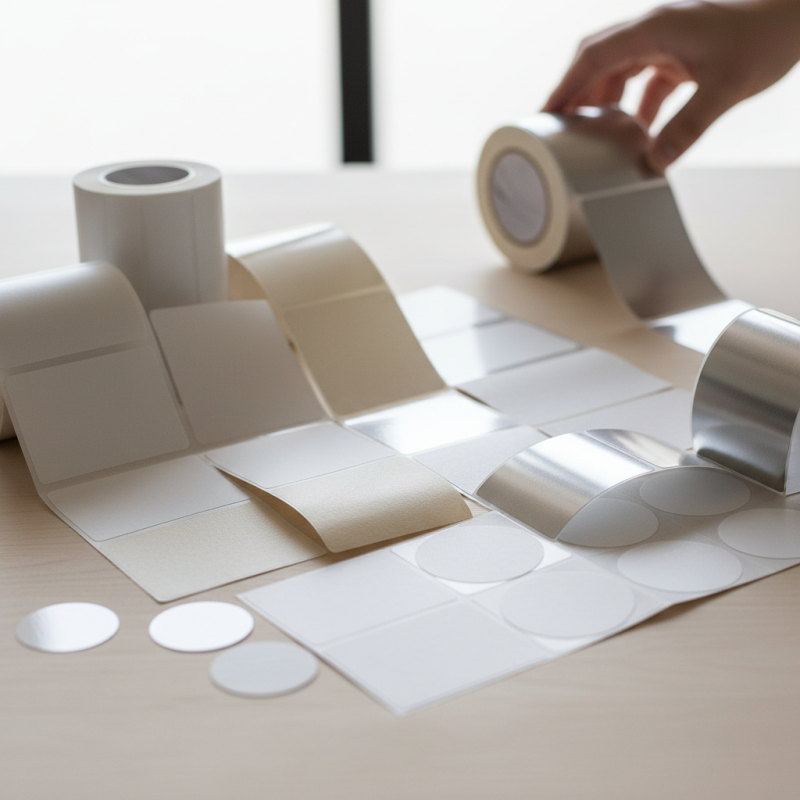
Why Choose Self Adhesive Label Materials for Your Business?
In today's competitive market, choosing the right materials is crucial for a business's success. Self Adhesive Label Materials stand out for their versatility and practicality. These labels are easy to use and can significantly streamline packaging and branding.
Many businesses underestimate the impact of labels. A well-designed self-adhesive label can elevate a product's appeal. It communicates vital information while enhancing brand recognition. The convenience of using self-adhesive options allows for quick application, saving valuable time and resources.
However, not all self-adhesive label materials are created equal. Businesses need to consider durability, print quality, and adhesion properties. Factors like environmental conditions and surface types can affect performance. Therefore, making an informed choice is essential for maximizing impact and ensuring reliability in labeling.
Benefits of Self Adhesive Label Materials for Businesses
Self-adhesive label materials offer numerous advantages for businesses seeking efficient and cost-effective solutions. These labels are versatile and can be applied to various surfaces. Research indicates that companies using self-adhesive labels report a 15% reduction in labeling errors. This improvement not only boosts productivity but also enhances customer satisfaction.
When implementing self-adhesive labels, consider these tips: ensure compatibility with your printing systems. Choosing the right adhesive is crucial. A study shows that 30% of label failures are due to improper adhesion levels. Invest time in testing different materials. The right choice will improve durability and adhesion, crucial for cold and hot environments.
Moreover, self-adhesive labels can improve inventory management. They allow for better tracking of products, resulting in lower stock discrepancies. Data highlights that businesses using these labels experience a 20% increase in tracking efficiency. Regularly review your labeling processes to adapt to changing needs. Continuous improvement is essential for maximizing effectiveness.
Types of Self Adhesive Label Materials Available
Self-adhesive label materials come in various types, each serving unique purposes. When selecting labels, consider options like paper, vinyl, and polyester. Paper labels are affordable and customizable, suitable for indoor use. They work well for packaging and promotions.
For outdoor applications, vinyl labels offer durability against water and UV exposure. They are ideal for products that require long-lasting identification.
Polyester labels combine flexibility and strength. They resist tearing and fading, making them excellent for health and industrial settings. The ability to print in vibrant colors enhances the visual appeal of your products.
Each type of self-adhesive material has its strengths, but there are also limitations. Paper labels might not hold up in moist environments, while vinyl may be more expensive.
Understanding these materials can be challenging. It is important to assess your business’s needs and budget before choosing. Balancing quality and cost is crucial. By exploring the available options, businesses can make better-informed decisions. The right self-adhesive label can enhance branding and organization.
Factors to Consider When Choosing Label Materials
When choosing label materials for your business, several factors should guide your decision. Self-adhesive labels offer convenience and versatility. Their ease of application can save time and enhance operational efficiency. However, not all self-adhesive materials are created equal. Understanding your specific needs is crucial.
Consider the environment where the labels will be used. Will they be exposed to moisture, heat, or chemicals? Choosing materials that can withstand such conditions is vital for longevity. For instance, waterproof labels are ideal for outdoor products. They prevent smudging and ensure that your branding remains intact.
Tips: Always request samples before commitment. Testing materials in real scenarios can reveal their performance.
Another factor is the printing method you plan to use. Different inks and printers can affect adhesion and clarity. Some materials may not hold ink well and could lead to poor branding presentations. Be mindful of the printer specifications when selecting label materials.
Tips: Compare different materials to understand their advantages and drawbacks. This reflection can lead to better choices for your label needs.
Benefits of Using Self Adhesive Label Materials
Applications of Self Adhesive Labels in Various Industries
Self-adhesive labels are versatile and serve numerous industries. In retail, they help to provide essential product information. Whether it's pricing, ingredients, or instructions, clear labels enhance customer experience. In food production, these labels maintain safety and traceability. They allow for proper handling, ensuring compliance with health regulations.
In manufacturing, self-adhesive labels are vital for asset management. They streamline inventory by enabling quick tracking. Using barcodes or QR codes can boost efficiency in warehousing. It’s important to choose durable materials to withstand different conditions. For logistics, labels also ensure packages reach their destinations efficiently. Well-designed labels reduce errors during shipping.
Tips: Always test labels in real-world conditions before full-scale production. This helps identify potential issues, like smudging or peeling. Also, consider the print quality. Low-quality prints can lead to misinterpretations, affecting trust. Regular feedback from users can aid in refining the label's function and appearance.
Cost-Effectiveness of Using Self Adhesive Labels for Branding
Self-adhesive labels can be a game-changer for businesses looking to enhance their branding. They are not just practical but also a cost-effective solution for many companies. The simplicity of application means less time spent on labeling and more focus on productivity. This efficiency can significantly reduce overhead costs.
When considering self-adhesive labels, think about your materials. Different substrates can convey different messages. For example, a matte finish may communicate sophistication, while a glossy look can suggest modernity. Choosing the right label is crucial for your brand image.
Tips:
Always test labels in real-world scenarios. What looks good on paper may not hold up in practice. Ensure that your labels adhere properly and remain legible over time. Keep in mind the environment your products will be in. Will they encounter moisture or extreme temperatures? Consider these factors carefully.
Additionally, quality matters. Low-cost labels might save you money initially, but they often result in failures. Reflect on the long-term value you want your business to achieve. Investing in robust label materials can lead to better customer experiences.