Sorry, your browser is not supported. For a better experience, keep your browser up to date. Check here for latest versions
A water bottle label does more than identify what is inside. It gives a customer a quick reason to notice, remember, and choose a brand. That first impression may happen in seconds, beside dozens of competing bottles. Custom design helps businesses use color, typography, and clear product details to make that moment more distinctive.
The market is substantial. Grand View Research estimated the global bottled water market at approximately $303.95 billion in 2022 and projected continued growth through 2030. This is a market estimate, not a guarantee of individual brand success. Still, it shows why packaging deserves careful attention. A label should reflect the product accurately and remain readable under store lighting, in a chilled display, or in a customer’s hand.
Small details count. A matte finish can soften a premium design; a bright, high-contrast layout can make key information easier to scan. Material choice matters, too. Condensation, bottle shape, and the labeling process can affect how well a label adheres and looks over time. These practical issues are easy to overlook when reviewing artwork on a screen. And custom labels are not a shortcut to trust. They work best when attractive design supports accurate information and consistent product quality. The aim is simple: create packaging that feels recognizably yours, without sacrificing clarity or performance.
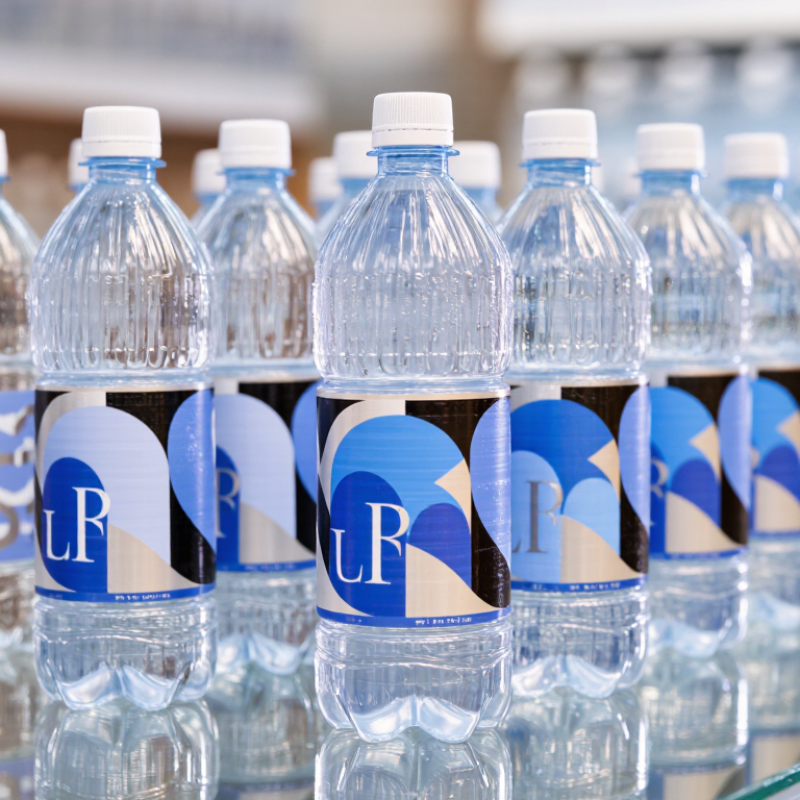
Custom water bottle labels are printed wraps designed to fit a bottle’s shape and surface. They can display a brand name, product details, or an event message. Depending on the bottle and intended use, labels may use paper or film with a suitable adhesive. The material, finish, and size affect how the label looks and holds up.
The process starts with measuring the bottle and preparing artwork to fit its printable area. A printer may check spacing, colors, and trim margins before producing the labels. They are then applied to clean, dry bottles, by hand or with labeling equipment. Smooth application helps reduce wrinkles and trapped air. Chilled bottles can collect condensation, so label performance may vary with material and handling. A design that looks crisp on a screen can feel crowded on a curved bottle; checking a printed sample is worth the extra step.
Tips: Measure the bottle’s label panel, not just its height. Test one label on a chilled bottle and check for lifting, smudging, or hard-to-read text. Small details are easy to miss. Keep essential wording clear, and leave enough space around the edges.
Why Choose Custom Water Bottle Labels for Your Brand?
How Bottle Labels Build Brand Recognition
A bottle label can make a brand easier to recognize before someone reads its name. Repeated colors, type styles, and simple graphic elements help customers connect one bottle with another. On a crowded shelf, a clear label with strong contrast is often easier to notice than a busy design. Small details matter. A distinctive label shape or a familiar color band can also help a product stand out in a refrigerator or event cooler.
Consistency builds recognition over time, but the label still needs to work in real conditions. Check whether the text stays readable on a curved bottle and whether key details remain visible when the bottle is cold or damp. A design that looks sharp on a screen may feel crowded when printed. It is easy to overdecorate. Remove anything that competes with the name or main visual cue. Custom labels also allow the layout to suit the bottle size, rather than forcing every design into a generic template.
Tips: Keep the brand name and one memorable visual element prominent. Test a printed sample on the actual bottle, then view it from arm’s length. Ask a few people what they notice first; their answers may reveal a detail you overlooked.
| Label Element | Customisation Choice | How It Supports Recognition | Useful Measurement | Practical Evaluation |
|---|---|---|---|---|
| Colour palette | Use a consistent set of colours with clear contrast between text and background. | Repeated colour combinations can help customers distinguish a product on a shelf and associate its appearance with the same source. | Correct identification rate: correct identifications divided by total responses. | Show a product image briefly alongside comparable products, then ask participants to identify it. |
| Logo and wordmark placement | Keep the logo visible, legible, and in a consistent position across bottle sizes. | A familiar mark in a predictable location can make the label easier to recognise at a glance. | Logo recall rate: participants who recall or identify the mark divided by all participants tested. | Test the label at different viewing distances and on bottles in upright and refrigerated settings. |
| Typography | Choose readable type, use a consistent hierarchy, and reserve decorative fonts for short text. | Consistent lettering helps create a distinctive visual style, while readable text lets customers find key information more easily. | Text legibility: the proportion of participants who correctly read selected label text. | Check the label at its actual printed size, including small type and curved areas of the bottle. |
| Label shape and layout | Choose a label format that fits the bottle and keeps important elements visible from common viewing angles. | A recognisable layout can help a product stand out while maintaining a consistent appearance across packaging formats. | Visibility check: whether the logo and product name remain visible from the front and side. | Apply a printed sample to the intended bottle and inspect it from multiple angles. |
| Material and finish | Select a label material and finish suited to the bottle surface, moisture exposure, and intended use. | A label that stays attached and readable preserves the intended design throughout handling and display. | Condition check: adhesion, readability, and visible damage after defined handling or storage conditions. | Test samples on the actual bottle, including under expected condensation and refrigeration conditions. |
| Distinctive graphic elements | Use a small number of repeatable elements, such as a pattern, illustration, or colour block. | Consistent visual cues can help customers recognise related products without relying on text alone. | Unaided recognition: the share of participants who identify the product without being shown its name. | Compare the label with similar products in a shelf-style image and record correct identifications. |
| Information hierarchy | Give the product name and key identifying details clear visual priority over secondary copy. | Customers can find the product’s identifying information more quickly when the label has a clear reading order. | Find time: the time taken to locate a specified item of information. | Ask participants to locate the product name or another clearly stated detail on the label. |
Why Choose Custom Water Bottle Labels for Your Brand?
Label Materials, Formats, and Printing Options
A water bottle label faces more than a shelf: cold storage, condensation, and damp hands can soften paper or loosen adhesive. Paper can offer a natural texture, but film materials such as BOPP usually handle moisture better. Match the adhesive to the bottle surface and storage conditions. A label that looks perfect when dry may wrinkle after chilling. Small details matter. Grand View Research estimated the global labels market at USD 49.9 billion in 2023, with projected growth through 2030. This broader market trend makes thoughtful label selection increasingly relevant, though it does not determine the right choice for every product.
Format affects both appearance and application. A wraparound label gives space for product information, while separate front and back labels can suit a simpler layout. Digital printing can be practical for short runs or design changes; flexographic printing may suit larger, repeat orders. Compare samples for color, readability, and adhesion before approving a full run. Print results can vary across materials.
Tips: Chill a filled bottle, wipe away condensation, then inspect the label after handling. Check small text under actual lighting. If a sample fails, adjust the material or adhesive before increasing order volume.
Why Choose Custom Water Bottle Labels for Your Brand?
Marketing and Practical Benefits for Brands
Custom water bottle labels do more than display a logo. They turn an everyday bottle into a small, mobile brand touchpoint at events, meetings, and retail counters. A clear design helps people recognize the product quickly, while a QR code can lead to ingredients, refill guidance, or a campaign page. Keep key information readable at arm’s length. Less clutter helps.
Labels can also support practical operations. They can distinguish still water from sparkling water, mark event dates, or identify bottles prepared for different teams. Durable materials and suitable adhesives matter when bottles sit in ice buckets or coolers. Test samples under real conditions: condensation, cold storage, and repeated handling can expose weak edges or fading ink. Small details count.
Customization offers flexibility, but it is not automatically better. Too many colors or tiny text can make a bottle harder to scan. A label that looks polished on a screen may wrinkle on a curved surface, so check a printed sample before ordering a large run. It may take another round. That extra check can prevent waste and keep the brand presentation consistent.
Six practical design decisions brands can tailor to support product presentation and on-bottle communication.
Each bar represents one common customization area, not a measured market result. Available options vary by label supplier and production method.
Choose a label by considering how the bottle will be stored, handled, and displayed. A wide label can wrinkle on a sharply curved bottle, while a textured surface may reduce adhesion. Check the bottle’s material, finish, and shape before selecting a label stock. Small details matter.
For bottles kept cold, test a moisture-resistant label with the actual container. Refrigeration and condensation can affect both adhesion and print clarity. Apply a sample to a clean, dry bottle, then chill it and handle it with damp hands. Look for lifted corners, smudged text, or bubbles. A short test can reveal problems before a full print run.
Design should support quick reading. Use strong contrast, clear type, and enough space for essential product details. If a barcode or QR code is included, leave an uncluttered area around it and test it at the size it will appear on the bottle. Consider whether the label material fits your packaging and disposal goals; recycling compatibility can vary by local facility. There is no universally perfect option. Even a careful choice may need adjustment after the first real-world test.