How to Choose the Best Single Gas Detector for Your Needs?
In various industries, ensuring safety from harmful gases is paramount. The use of a single gas detector can significantly reduce risks associated with gas exposure. According to recent reports by the American Industrial Hygiene Association, over 50% of workplace accidents involve hazardous gases. This underscores the importance of choosing the right detector for specific needs.
single gas detectors are designed for simplicity and efficiency, making them essential in confined spaces. Many models provide real-time monitoring, which is crucial for immediate response. A survey by Occupational Safety and Health Administration indicates that proper gas detection can lower workplace incidents by 30%. However, choosing the wrong detector can lead to false security and hazardous conditions.
Understanding your unique environment is key. Various factors, like the type of gas, exposure levels, and workplace conditions, influence the choice of a single gas detector. Investing in a quality gas detector isn’t just a regulatory requirement but also a commitment to safety. Making informed decisions can profoundly impact health and well-being in the workplace.
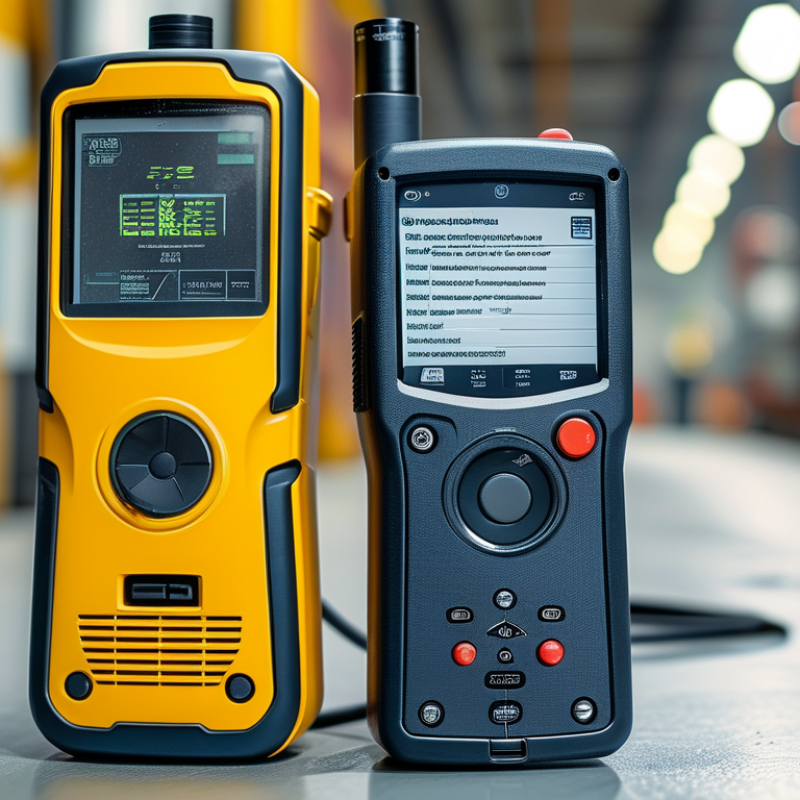
Understanding Different Types of Single Gas Detectors Available in the Market
When selecting a single gas detector, it's essential to understand the different types available. Each type is designed for specific gases. For instance, some detectors focus on toxic gases like carbon monoxide or hydrogen sulfide, while others monitor combustible gases. Knowing the specific gas you might encounter helps narrow down your options.
Another aspect to consider is the technology used. Some detectors employ electrochemical sensors, which are highly sensitive and accurate. Others may use catalytic bead sensors, ideal for flammable gases. However, not all sensors perform equally well in every environment. For example, extreme temperatures or humidity can affect accuracy. It’s crucial to choose a detector that fits the working conditions.
Lastly, consider the detector's features. Some models offer data logging, which can be helpful for tracking exposure over time. Portability matters too; lighter models are easier to carry but may lack battery life. Reflect on your needs and environments carefully. What works for one application may not be best for another. Your choice should reflect a balance between functionality and user experience.
How to Choose the Best Single Gas Detector for Your Needs?
| Type of Gas Detector | Detectable Gases | Detection Range | Battery Life | Weight | Price Range |
| Portable Single Gas Detector | Carbon Monoxide (CO) | 0-1000 ppm | 24 hours | 200 g | $100 - $150 |
| Fixed Gas Detector | Methane (CH4) | 0-5% vol | N/A | 1 kg | $200 - $300 |
| Personal Single Gas Detector | Hydrogen Sulfide (H2S) | 0-100 ppm | 10 days | 150 g | $80 - $120 |
| Multi-Gas Detector (Single Gas Mode) | Ammonia (NH3) | 0-50 ppm | 18 hours | 250 g | $150 - $250 |
| Infrared Single Gas Detector | Carbon Dioxide (CO2) | 0-5000 ppm | 30 hours | 300 g | $300 - $500 |
Key Factors to Consider When Choosing a Single Gas Detector
When selecting a single gas detector, several critical factors come into play. First, identify the specific gas you need to monitor. Common gases include carbon monoxide, methane, and hydrogen sulfide. Each gas requires a different type of sensor. Understanding the target gas ensures you choose the right detector. This decision impacts safety and accuracy.
Portability is also vital. Consider the weight and size of the device. A lightweight detector is easier to carry, especially in confined spaces. However, durability shouldn’t be sacrificed. Look for robust materials that withstand harsh environments. Battery life is another key factor. A longer battery life allows for extended use without constant recharging, enhancing reliability.
Calibration and maintenance should not be overlooked. Regular calibration ensures accurate readings. Some devices require more frequent maintenance, which can be a hassle. Choose a model that fits your operational capabilities. A detector with complicated maintenance might lead to neglect, raising safety concerns. Think about your specific needs and how often you can realistically maintain the device.
Analyzing the Sensitivity and Calibration Options for Gas Detectors
When selecting a single gas detector, understanding sensitivity and calibration options is crucial. Sensitivity refers to how well the device can detect low concentrations of gas. Higher sensitivity is vital for detecting hazardous gases early. It's essential to find a balance. A device too sensitive may lead to frequent false alarms. A reliable gas detector should provide consistent performance without unnecessary alerts.
Calibration is another key factor. Regular calibration ensures that your gas detector remains accurate. Most manufacturers recommend calibration at least once a year. Some devices allow for field calibration, which is convenient. However, you must follow the proper procedures to maintain reliability. Neglecting calibration can lead to dangerous situations.
When choosing a gas detector, consider your specific needs. Evaluate the types of gases you will encounter. Look for detectors that are customizable or versatile. Proper training on how to use and maintain the device is also necessary. Remember, a detector is only as effective as its operator. Regularly review its performance and be open to feedback on any inconsistencies.
Evaluating Durability and Warranty of the Single Gas Detectors
When choosing a single gas detector, evaluating its durability and warranty is crucial. A durable instrument ensures reliable performance over time. Consider devices built with rugged materials that can withstand harsh environments. The more resilient the design, the less likely you are to face unexpected costs from damage.
Warranty options also play a significant role. A comprehensive warranty demonstrates the manufacturer's confidence in their product. Look for devices with extended warranties, covering parts and labor. This reflects the expectation that the device will function properly for a significant period. Understanding warranty terms can prevent frustration later.
Ensure you check user reviews. They often contain insights about product longevity and customer support experiences. Look for patterns in feedback regarding reliability. You may notice some detectors have a high failure rate or poor customer service. Assessing these factors can guide you to a more reliable choice.
Comparing Cost and Maintenance Requirements for Gas Detection Solutions
When selecting a gas detector, understanding cost and maintenance requirements is crucial. Many models range from $200 to $1,500 depending on features and capabilities. A study by the Occupational Safety and Health Administration stated that investing in quality gas detection systems can prevent workplace accidents and costly downtime. Many facilities overlook the expenses associated with improper monitoring, which can lead to hazardous environments.
Regular maintenance is essential. Most detectors require calibration every six months. This can cost between $50 and $200 per visit. Some detectors provide self-testing features, which may reduce long-term costs. However, relying solely on reports can lead to discrepancies. An industry report indicated that 25% of gas detection failures were due to inadequate maintenance practices.
Additionally, training staff on proper use can impact longevity. Reports show that poorly trained personnel misinterpret detector readings, leading to unsafe situations. Investing in comprehensive training programs might seem costly upfront but can ultimately save money and lives. Constant evaluation of both initial and ongoing expenses is necessary for effective gas detection management.
