How to Choose a Silicone Baby Bib in 2026

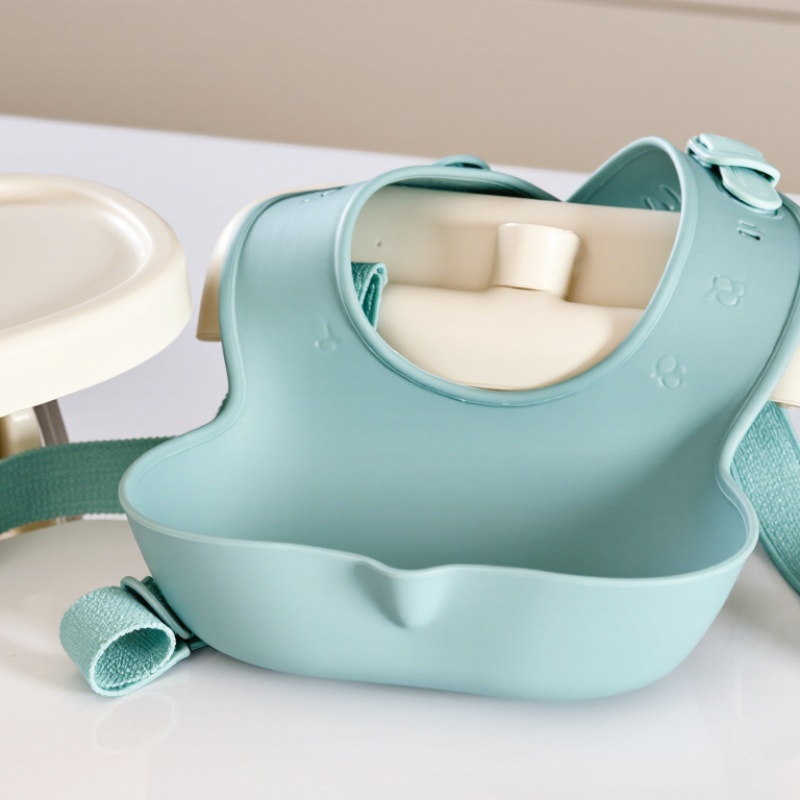
Choosing a Silicone Baby Bib in 2026 is less about picking a cute color and more about finding a comfortable, practical fit. A bib may look sturdy online, yet feel stiff around a baby’s neck or sit awkwardly over a high-chair tray. Small details matter. Check the neck opening, strap adjustments, bib width, and the depth of the food-catching pocket. A pocket that folds flat during a meal may catch very little.

Material and care instructions deserve a closer look, too. Look for clear product details about the silicone and follow the manufacturer’s cleaning guidance. Notice whether the bib has a strong odor, rough edges, or straps that are difficult for an adult to adjust. These checks cannot guarantee a perfect product, but they can help you compare options more thoughtfully. Not just color.

This guide will walk through fit, material, cleaning, durability, and useful design features, with everyday feeding messes in mind. It will also consider what product descriptions leave unclear, because a polished listing does not answer every practical question. Babies grow, feeding habits change, and one bib may not suit every child. A little trial and error is normal. The goal is to choose a Silicone Baby Bib that feels comfortable, is straightforward to clean, and works for your routine—not to expect any bib to keep every meal spotless.
How to Choose a Silicone Baby Bib in 2026

Identify Your Baby’s Age, Feeding Stage, and Bib Needs

A baby’s age is only a starting point; readiness matters more. Many babies begin solids around six months, when they can sit with support and show interest in food. Check your child’s feeding cues and ask a pediatric professional if you are unsure. A bib should sit comfortably without pressing the neck or restricting movement. Leave enough room for a finger between the fastening and your baby’s skin.

At the early feeding stage, choose a soft, lightweight bib with a wide catch pocket. It can collect mashed banana or oatmeal as your baby learns to use a spoon. The pocket works best when it stays open, though some designs fold flat during active meals. That can be frustrating. For older babies and toddlers, a larger coverage area may help with thicker foods and self-feeding, but a bulky bib can get in the way.

Think about your routine, too. If meals happen away from home, a bib that rinses clean and dries quickly may be useful. At home, a simple shape that is easy to wash can matter more than extra features. Check the product’s age guidance, fastening, and care instructions before use. Supervise every meal, and remove the bib after feeding; it is not sleepwear. Even a well-chosen bib will not keep every crumb off the floor.

How to Choose a Silicone Baby Bib in 2026

Match bib features to your baby’s age and feeding stage.

The 1–5 scores are a practical comparison guide, not clinical or survey results. For early feeding, prioritize a comfortable fit and easy cleaning. As solids begin, wider coverage and a catch pocket can help manage spills; for toddlers, choose a bib that remains comfortable and is simple to clean.

Check Silicone Quality, Safety Standards, and Product Labels

When choosing a silicone baby bib in 2026, read the label before judging its color or softness. Look for clear information about the material, intended age range, cleaning instructions, and manufacturer contact details. A product described as “food-grade” should still identify the standards or testing that support that claim. Requirements vary by market, so check the guidance that applies where you live.

Check the bib for a smooth, even surface and a sturdy neck fastening. Flex the catch pocket gently; it should open without feeling brittle or collapsing at a touch. Small details matter. Review warnings and care instructions, including whether the bib is dishwasher-safe and whether it should be replaced if cracked or torn. A strong smell is a reason to pause, but no smell alone does not prove safety.

Product labels can be incomplete, and that is worth questioning. If a package makes broad safety claims without naming a test standard or offering a way to contact the maker, ask for clarification before buying. Keep the packaging or take a photo of its details. I would not rely on a cheerful label alone; clear documentation and practical construction tell a more useful story.

How to Choose a Silicone Baby Bib in 2026 - Check Silicone Quality, Safety Standards, and Product Labels

What to Check What to Look For How to Verify Why It Matters
Material and composition A clearly stated material description, such as food-contact silicone, plus disclosure of any plastic, fabric, coating, or other components. Read the packaging and product details; ask the manufacturer for material specifications if the composition is unclear. A bib may contain multiple materials, so a general “silicone” description does not necessarily identify every part.
Food-contact documentation Documentation identifying the applicable food-contact requirements and the specific material or finished product tested. Request a test report or compliance declaration that names the product or material, test scope, and issuing laboratory or authority. In the United States, 21 CFR 177.2600 covers certain rubber articles intended for repeated food contact; applicability depends on the material and use. “FDA approved” alone is not a precise substitute for product-specific documentation.
Safety rules for the sales market Evidence addressing the legal requirements relevant to the country where the bib is sold and how it is classified. For U.S. products intended primarily for children age 12 or younger, check whether applicable CPSIA requirements and a Children’s Product Certificate apply. In the EU, food-contact materials are subject to Regulation (EC) No 1935/2004 and good-manufacturing-practice rules under Regulation (EC) No 2023/2006, as applicable. Requirements vary by market and product classification. A toy standard should not be assumed to apply to a bib unless the product is also marketed or classified as a toy.
Product identity and traceability A product name or model, manufacturer or importer contact details, and a batch, lot, or other traceability identifier where required. Check the product, package, and accompanying documents. For U.S. children’s products, applicable tracking-label rules require identifying information on the product and packaging to the extent practicable. Traceability helps identify the product and its production batch if a safety notice or recall is issued.
Neck closure and fit A secure, adjustable closure that fits the child without being tight; smooth edges and no cracks or sharp flash around the neck opening. Inspect the closure and edges before use, and check fit according to the manufacturer’s instructions. A bib should not restrict breathing or movement. Remove it after feeding and do not leave a child unattended while wearing it.
Catch pocket design A pocket that opens outward when worn and is deep enough for the intended use; the rim should not be split or deformed. Check that the pocket opens in the wearing position and stays open during ordinary movement. Pocket shape affects how well it catches dropped food, but it does not replace adult supervision.
Care and temperature instructions Specific washing, dishwasher, and temperature guidance for the bib and its components. Follow the product’s own instructions; do not assume every silicone bib is dishwasher-safe or suitable for boiling, microwaving, or sterilizing. Care limits can differ by design, additives, and attached components. Heat outside the stated limits may damage the product.
Condition and cleanliness No tears, sticky or powdery residue, exposed inserts, loose pieces, or persistent contamination. Wash before first use as directed and inspect regularly, especially around the closure and pocket seams. Stop using a bib that is damaged or cannot be cleaned effectively; replace it according to the manufacturer’s guidance.
Claims and certificates Specific, verifiable claims rather than broad phrases such as “non-toxic,” “chemical-free,” or “100% safe.” Check what the claim covers, the test method and date, and whether the document applies to the exact product. A “BPA-free” claim does not by itself demonstrate overall product safety. Clear evidence makes it easier to distinguish a relevant test or legal declaration from an unsupported marketing statement.

Compare Pocket Design, Fit, Adjustability, and Comfort

How to Choose a Silicone Baby Bib in 2026

A useful pocket should stay open when your baby leans forward, not fold flat against the chest. Check that its rim sits below the chin and catches small pieces of food without pressing into the belly. A deep pocket may hold more, but a stiff one can bump the tray. Small details matter. Fit the bib to your child, not just the age printed on the package. The WHO Multicentre Growth Reference Study followed 8,440 children across six countries, underscoring why age alone cannot describe every child’s size. Adjust the neck closure so it feels secure without rubbing; you should be able to slide a finger comfortably beneath it.

Compare closures for easy adjustment as your baby grows. Snaps can offer set positions, while a flexible opening may be quicker to put on, though harder to fine-tune. Feel the edges for rough seams or firm ridges, and check whether the bib stays in place when your child turns. Test it seated. A bib that looks roomy while your baby stands may press against the abdomen in a high chair. Comfort is easy to underestimate; I would check the fit again after a few minutes, since babies move and posture changes. Choose a smooth, easy-to-clean surface, but don’t let a generous pocket or snug fit replace close mealtime supervision.

Evaluate Cleaning, Durability, and Everyday Convenience

How to Choose a Silicone Baby Bib in 2026
Evaluate Cleaning, Durability, and Everyday Convenience

A useful silicone bib should make cleanup easier, not add another awkward chore. Look for a smooth surface with few seams, where puréed food is less likely to collect. A wide, open pocket can catch soft bits and small spills, though it may fold inward when your baby leans over the tray. Check that the neck fastener adjusts comfortably without pressing or rubbing. After meals, wash the bib according to its care instructions and let it dry fully before storing it.

Durability matters during daily use. Flex the bib gently and inspect the edges, fasteners, and pocket for cracks, thinning, or sticky areas. A bib that rolls up for a diaper bag can be handy, but repeated folding may not suit every design. I would not assume that a thicker bib is automatically better; stiffness can make it harder for a baby to move comfortably. Small details matter.

Tips: Rinse off food soon after eating, especially around the pocket and neck opening. Use mild dish soap and a soft sponge, then check for lingering odor or residue. If cleaning feels like a hassle after several meals, reconsider the design. Convenience should hold up on a tired Tuesday, not just look good in a product photo.

Choose a Bib That Fits Your Budget and Buying Priorities

When comparing silicone baby bibs in 2026, decide what your budget needs to cover. A lower-priced bib may suit occasional meals, while daily use can make easy cleaning and durable fasteners more valuable. Check the listed material and care instructions rather than relying on price alone. If possible, inspect the neck closures and edges; rough seams or stiff fasteners may bother a baby’s skin. Small details matter.

Think about your routine. A deep pocket can catch soft fruit and cereal, but a wide one may feel bulky in a high chair. Not always ideal. For travel, a flexible bib that rolls up easily may be worth paying a little more for. At home, a simple design could be enough. Compare the cost with practical features, not decorative extras. Check whether the bib is dishwasher-safe before assuming cleanup will be quick.

Fit should remain a priority at every price. Choose a bib that sits comfortably without restricting your baby’s neck, and adjust the closure as your child grows. A bib is not a substitute for supervision during meals. There is no perfect option for every family; even a well-reviewed design might not suit your chair or your child. I’d leave room in the budget for trying one, then reassess after a few meals.