Warehouse Barcode Labels are becoming a quiet foundation of faster, more traceable warehouse operations. Every carton, pallet, and storage bin may depend on a small printed symbol. When labels fade, curl, or fail to scan, the delay can reach receiving, picking, packing, and shipping. The Zebra 2023 Warehousing Study reported that 69% of warehouse decision-makers considered modernization necessary for competitiveness. It also found that 58% planned to deploy RFID by 2028. These findings show a clear direction: warehouses need labels that support both present barcode systems and future identification technologies.
This “China Top 10 Warehouse Barcode Labels Manufacturers 2026” overview examines suppliers through practical criteria. These include material durability, adhesive performance, barcode contrast, printing consistency, customization capability, production capacity, quality control, and export experience. Reports from Grand View Research and Smithers also indicate continued growth in barcode labeling and industrial printing applications, driven by e-commerce, manufacturing, and logistics investment. The exact market value differs between reports. That difference deserves attention, not convenient repetition. Market forecasts are useful, but factory evidence matters more.
A reliable manufacturer should explain how its labels perform on corrugated cartons, plastic totes, metal racks, and cold surfaces. Sample testing remains essential. Warehouse conditions are rarely perfect. Dust, humidity, friction, sunlight, and temperature changes can expose weak specifications quickly. This guide therefore focuses on manufacturers that combine technical knowledge with measurable production practices. It does not assume that the largest factory is always the best choice. A smaller supplier may offer better adhesive testing or faster customization. No ranking is perfect. Buyers should verify samples, certifications, lead times, and after-sales support before making a final decision.
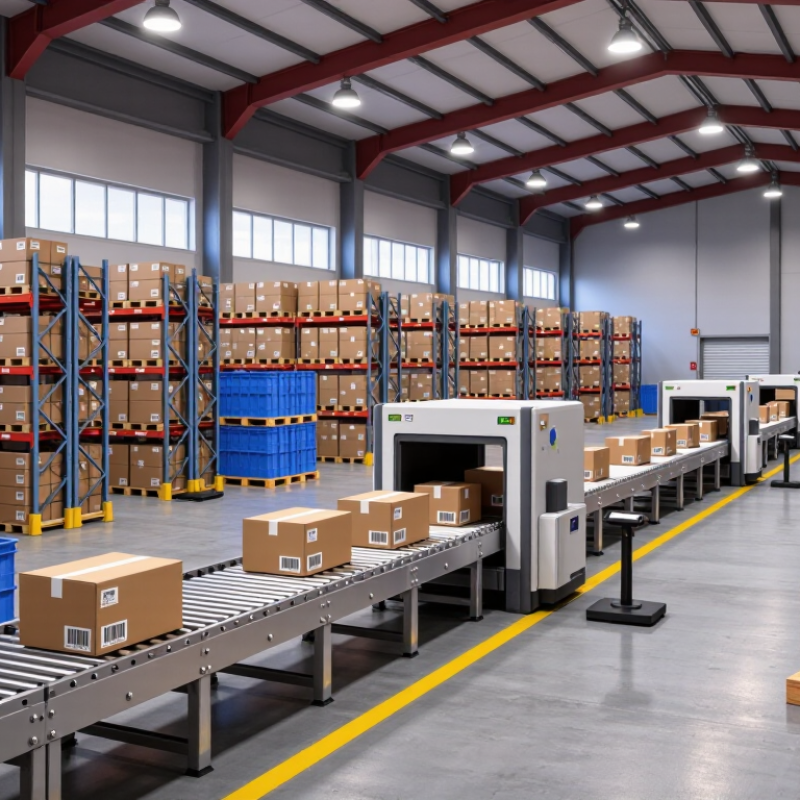
Warehouse barcode labels are printed identification tools for goods, shelves, pallets, bins, and equipment. They convert product data into machine-readable patterns. A scanner reads the pattern and connects it with inventory software. This process supports faster receiving, picking, counting, and shipping.
Common types include direct thermal, thermal transfer, polyester, polypropylene, and removable paper labels. Direct thermal labels suit short-term carton handling. Thermal transfer labels resist heat, moisture, abrasion, and extended storage. Durable synthetic labels work well on cold-room bins, metal racks, and plastic containers. One-dimensional barcodes remain practical for basic tracking. Two-dimensional codes store more data in limited space.
Industrial use depends on the working environment. A warehouse with dusty floors may need stronger adhesive and protective coating. Cold storage requires labels that remain readable below freezing. Outdoor yards often need ultraviolet resistance and waterproof materials. Reflective surfaces can reduce scan accuracy. Matte finishes usually help.
From practical label testing, placement matters as much as material choice. A label hidden under stretch film may fail during scanning. Excessive adhesive can leave residue during asset replacement. Weak adhesive can cause lost identification. No label system is perfect. Specifications should be tested on the actual carton, rack, temperature range, and scanner. This step is sometimes skipped, and the resulting rework can be expensive. Reliable suppliers should provide material data, print-quality checks, sample testing, and traceable production records.
| No. | Warehouse Label Type | Definition and Typical Function | Common Barcode Symbology | Recommended Label Material | Typical Size Range | Environmental Resistance | Industrial Use |
|---|---|---|---|---|---|---|---|
| 1 | Rack and Aisle Labels | Large-format identification labels used to identify warehouse zones, aisles, bays, and rack positions. | Code 128, Code 39, QR Code | Polyester, laminated polypropylene, or rigid plastic | 100 × 50 mm to 300 × 150 mm | Good resistance to abrasion, dust, moisture, and handling | Storage-location control, warehouse navigation, and put-away operations |
| 2 | Pallet Labels | Labels attached to pallets to connect a grouped shipment with item, quantity, lot, and destination data. | GS1-128, Code 128, Data Matrix | Coated paper for dry storage; synthetic film for demanding environments | 100 × 150 mm to 148 × 210 mm | Moderate to high resistance, depending on face stock and adhesive | Pallet receiving, cross-docking, shipping, and traceability |
| 3 | Carton and Case Labels | Machine-readable labels applied to cartons, cases, or shipping containers for order and package identification. | Code 128, ITF-14, GS1-128 | Direct thermal paper, thermal-transfer paper, or polypropylene | 50 × 25 mm to 100 × 150 mm | Suitable for indoor logistics and short- to medium-term storage | Order picking, parcel sorting, dispatch, and carrier handoff |
| 4 | Product and Item Labels | Small labels that identify individual products, stock-keeping units, or saleable units. | EAN-13, UPC-A, Code 128, Data Matrix | Semi-gloss paper, polypropylene, or polyester | 25 × 15 mm to 70 × 40 mm | Variable; synthetic materials provide better moisture and abrasion resistance | Inventory counting, retail replenishment, kitting, and product verification |
| 5 | Cold-Chain Labels | Labels designed to remain readable and adhered to goods exposed to chilled, frozen, or condensation-prone conditions. | Code 128, GS1-128, QR Code | Freezer-grade polypropylene or polyester with permanent adhesive | 50 × 30 mm to 100 × 150 mm | Designed for condensation, refrigeration, and sub-zero storage; exact limits depend on adhesive specification | Food distribution, pharmaceuticals, laboratory logistics, and frozen goods |
| 6 | Durable Industrial Labels | Long-life labels intended for repeated scanning and harsh warehouse or production conditions. | Code 39, Code 128, Data Matrix | Polyester, polyimide, anodized aluminum, or rigid plastic | 30 × 20 mm to 150 × 100 mm | High resistance to abrasion, oils, chemicals, and outdoor exposure when properly specified | Manufacturing warehouses, metal storage, machinery parts, and returnable assets |
| 7 | Hang Tags and Wire-Mount Labels | Non-adhesive identification tags attached to cables, pipes, metal goods, or irregular surfaces. | Code 128, Code 39, QR Code | Synthetic tag stock, polyester, or laminated cardstock | 40 × 25 mm to 100 × 150 mm | Good resistance to lifting, abrasion, and moderate moisture | Cable management, steel products, pipe storage, and irregular inventory |
| 8 | RFID-Enabled Barcode Labels | Hybrid labels combining a printed barcode with an RFID inlay for optical scanning and radio-frequency identification. | Code 128, GS1-128, QR Code with UHF RFID | Paper or synthetic face stock with EPC-compliant UHF inlay | 60 × 30 mm to 150 × 100 mm | Depends on label construction, inlay, packaging material, and operating environment | Automated receiving, pallet visibility, asset tracking, and high-volume inventory control |
| 9 | Hazardous-Goods Labels | Compliance-oriented labels used to identify regulated materials, handling risks, and transport information. | Code 128, Data Matrix, QR Code | Chemical-resistant polyester or laminated synthetic stock | 50 × 50 mm to 150 × 210 mm | High resistance to moisture, abrasion, and selected chemicals; regulatory requirements must be verified | Chemical storage, battery logistics, dangerous-goods transport, and safety control |
| 10 | Returnable Transport Asset Labels | Reusable identification labels for totes, bins, crates, containers, and other circulating warehouse assets. | Code 128, Code 39, Data Matrix | Rigid plastic, polyester, polycarbonate, or embedded label plates | 50 × 25 mm to 150 × 100 mm | High resistance to repeated washing, impact, abrasion, and moisture when engineered for reuse | Reusable packaging, automotive logistics, food processing, and closed-loop distribution |
Note: Actual performance depends on barcode grade, print quality, adhesive selection, substrate, scanner capability, and operating conditions.
