How to Buy 99% Pure Sodium Ascorbyl Phosphate Powder
Buying 99% Pure Sodium Ascorbyl Phosphate Powder takes more than comparing prices. The label may look clear, but the supplier’s documents reveal whether the material fits your intended cosmetic formulation. Check the certificate of analysis for assay, test method, batch number, and date. Confirm that the stated purity applies to the supplied lot, not merely to a general product specification. Small details matter.
Look closely at appearance, packaging, and storage guidance. A fine powder should arrive in a sealed, moisture-protective container, with lot identification that matches its paperwork. Ask how the supplier controls identity, contaminants, and batch consistency. Request current technical and safety documents, then compare their details rather than relying on a product-page badge. A low quote is not proof of value. Neither is a polished website.
Reliable sourcing also means asking practical questions before ordering: Is a representative sample available? What is the minimum order quantity? How are shipping conditions and complaints handled? Cosmetic chemist Dr. Zoe Diana Draelos is a recognized skin-care expert, but no verifiable quotation from her about purchasing this ingredient was provided here. Inventing one would mislead readers. This guide therefore focuses on checkable evidence instead: traceable batch records, clear specifications, and responsive technical support. Even careful buyers can miss something. Review the documents twice, and treat vague answers as a reason to pause.
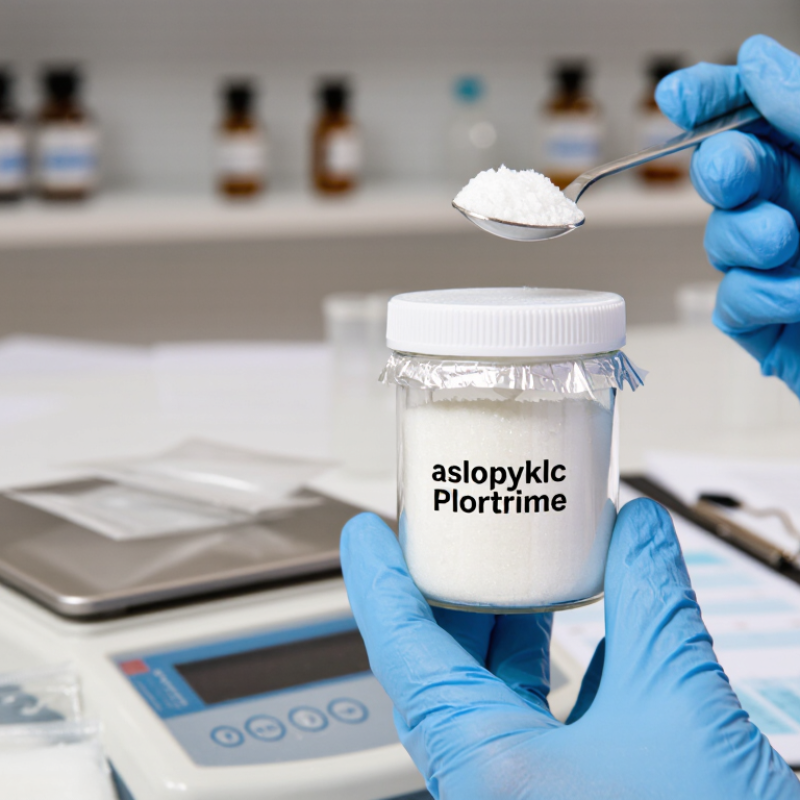
Understand Sodium Ascorbyl Phosphate Purity and Intended Uses
A “99% pure” claim describes the powder’s assay, not how much active ingredient reaches skin after mixing. Ask for a recent certificate of analysis showing the test method, assay basis, moisture, and limits for heavy metals and microbes. High purity is useful, but it does not guarantee stability or suitability for every formula. Check the intended grade and handling instructions.
Sodium ascorbyl phosphate is a water-soluble vitamin C derivative used in topical cosmetics. The Cosmetic Ingredient Review’s 2019 safety assessment recorded reported cosmetic use concentrations up to 3%. Published clinical research has also examined a 5% topical formula; that does not make 5% a universal target.
Match the powder to the intended product, and verify the finished formula’s pH, solubility, and stability. Small details matter.
A dry-looking powder can still absorb moisture during storage. I would want batch-specific data, not just a polished specification sheet. Assay methods differ, too, so a percentage without its test basis leaves room for doubt.
Determine the Appropriate Grade and Applicable Requirements
When buying 99% pure sodium ascorbyl phosphate powder, match the grade to its intended use. Cosmetic-grade material may suit a skincare formula, while analytical-grade powder is generally intended for laboratory work. A high assay alone does not confirm that a product meets your formulation or quality needs. Check the batch.
Request a current certificate of analysis showing identity, assay, and test methods. Review moisture, heavy-metal limits, and microbial specifications when relevant to your product. The supplier should also provide a safety data sheet, batch traceability, and clear storage guidance. Compare the stated specifications with your own product requirements and applicable rules in your market. Requirements can differ by use and location.
Look closely at handling details, too. A sealed inner liner, lot number, and stated shelf life help with incoming checks. Sodium ascorbyl phosphate dissolves in water, but a finished formula still needs suitable pH and stability testing. Keep a small sample from each received lot, and record how it performs. Paperwork can look reassuring; it is not a substitute for testing. I would not treat “99%” as a complete quality decision.
Assess Supplier Credentials and Product Documentation
A polished website is not enough when buying 99% pure sodium ascorbyl phosphate powder. Ask whether the seller manufactures the material or distributes it, and request the production site and quality-control process. A current, batch-specific certificate of analysis should show the lot number, test date, assay result, and test method. Check that the document describes the same powder and batch you plan to purchase. Small details matter.
Request a safety data sheet, product specification, and information on storage and shelf life. Compare the stated limits for identity, purity, moisture, and any relevant contaminants with your intended application.
If a result is unclear, ask who performed the test and whether supporting laboratory records are available. Paperwork alone is not proof. It is easy to overvalue a neat certificate, so verify that its batch details match the product label and supplier’s records. For a significant purchase, consider testing a retained sample through a qualified independent laboratory.
Verify Purity Claims, Test Reports, and Batch Traceability
How to Buy 99% Pure Sodium Ascorbyl Phosphate Powder
A “99% pure” label is only useful when its test method and calculation basis are clear. Request the lot-specific certificate of analysis, not a generic specification sheet. Check the assay result, moisture, identification method, test date, and laboratory name. PubChem lists sodium ascorbyl phosphate at 322.05 g/mol; this is a useful identity cross-check, not proof of purity. Ask whether the reported assay is calculated on an as-is or dry basis. Small differences matter when powder has absorbed moisture.
Short answer: ask for the raw evidence.
Compare the certificate’s batch number with the container label and shipping documents. The same code should follow the material from testing to delivery. ISO/IEC 17025:2017 sets competence requirements for testing laboratories, so check whether the lab’s accredited scope covers the method used. ICH Q2(R2), issued in 2023, describes validation characteristics including specificity, accuracy, and precision. A report that names its method is more useful than one showing only “pass.” Request chromatograms or an independent retest for higher-risk purchases. I would still treat a polished certificate cautiously; paperwork can look convincing while leaving key details out. Keep a sealed retain sample, record its lot and receipt date, and compare it if later test results differ.
Compare Pricing, Packaging, and Storage Conditions Before Buying
When comparing 99% pure Sodium Ascorbyl Phosphate powder, look beyond the quoted price. Calculate the cost per gram, including shipping, minimum order quantities, and any fees for smaller packs. A low price can be misleading. Check the certificate of analysis for assay results, test method, lot number, and date. Confirm that “99%” refers to the stated assay basis, rather than assuming every batch has identical usable content.
Packaging affects both handling and value. Compare sealed, moisture-resistant containers with clear net-weight labels and intact tamper evidence. Smaller packs may cost more per gram, but they can reduce repeated exposure to air and humidity. Ask how the powder is packed after opening or repacking. Details matter. I would not judge quality from a polished label alone; paperwork and packaging should agree.
Review the supplier’s storage guidance and stated shelf life before ordering. Sodium Ascorbyl Phosphate powder is generally best kept tightly sealed in a cool, dry place, away from direct light and damp work areas. Keep it off a steamy bathroom shelf. Store opened material in its original container when practical, and use clean, dry tools to avoid introducing moisture. Conditions can vary by formulation and packaging, so follow the lot-specific documentation rather than guessing. A little uncertainty remains when records are incomplete. That is a reason to ask questions before paying.
