10 Best Wholesale Backpack Suppliers for Bulk Orders
Bulk backpack sourcing can look simple until samples arrive with uneven stitching, stiff zippers, or colors that differ from the catalog. The market is substantial: Grand View Research valued the global backpack market at USD 18.94 billion in 2023 and projected 6.3% annual growth from 2024 to 2030. That broad estimate signals opportunity, not guaranteed demand for every style or region. Demand varies.
U.S. school-season spending offers another useful, but limited, signal. The National Retail Federation’s 2024 Back-to-School survey estimated USD 38.8 billion in K–12 spending, including clothing, supplies, and other purchases; it does not isolate backpack sales. Buyers should therefore check local demand alongside supplier claims. Details matter. This guide compares 10 wholesale backpack suppliers for bulk orders, focusing on minimum order quantities, customization, material options, sample policies, production timelines, and communication. These practical checks can help retailers, brands, and institutions narrow their options before requesting quotes. A polished sample is not a production run. Ask how the supplier handles color approval, defects, and repeat orders, and confirm specifications in writing. No supplier is best for every buyer: a small retailer may value flexible quantities, while a large program may prioritize consistent production and delivery. The comparison is a starting point, not a substitute for testing samples and checking current terms.
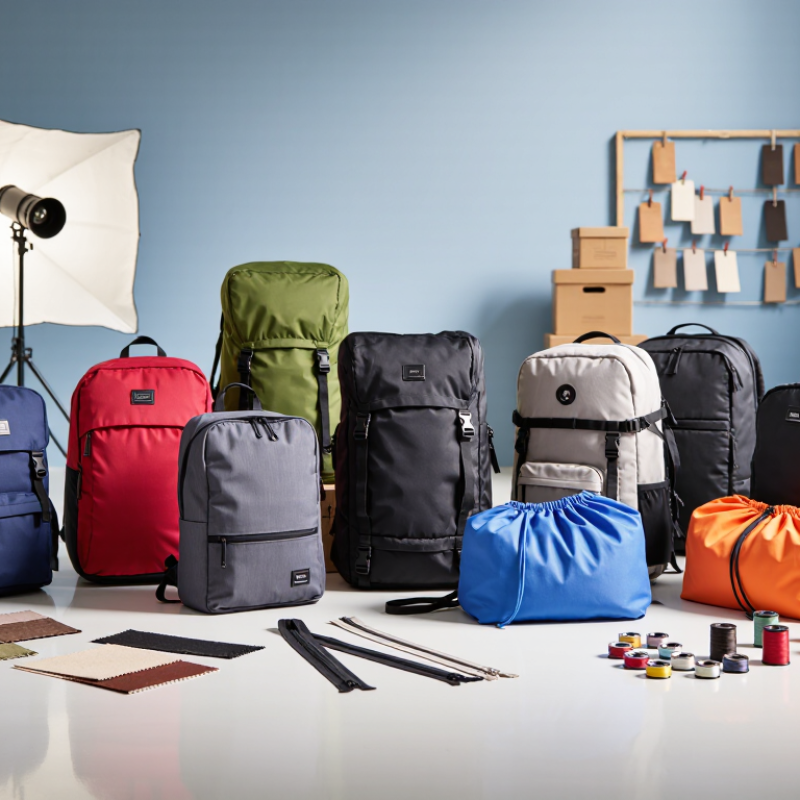
Understanding Wholesale Backpack Suppliers for Bulk Orders
Understanding Wholesale Backpack Suppliers for Bulk Orders
Wholesale backpack sourcing is more than finding the lowest unit price. Grand View Research valued the global backpack market at USD 18.5 billion in 2023 and projected 5.1% annual growth from 2024 to 2030. That growth creates opportunity, but also makes supplier checks important. Ask about minimum order quantities, sample costs, production capacity, and replacement policies. Details matter. Request a pre-production sample and inspect its zippers, stitching, padding, and pocket dimensions. A backpack that looks sturdy in a photo may sag when loaded with textbooks or equipment.
Lead times deserve equal attention. UNCTAD’s Review of Maritime Transport 2024 reported that maritime trade grew 2.4% in 2023 and forecast 2% growth for 2024, against a backdrop of shipping disruptions and uncertainty. Those figures do not predict the delivery date for a specific order, but they underline why buyers should confirm shipping terms and build in schedule buffers. Ask suppliers for written timelines covering sampling, production, inspection, and dispatch. For larger orders, clarify how material substitutions are approved and how defects are handled. A spreadsheet cannot reveal every factory-floor problem; I would still want clear inspection criteria before paying a deposit. Ask for proof.
Key Criteria for Choosing a Backpack Supplier
Choosing a wholesale backpack supplier starts with the job the bag must do. Start with the intended load. A school pack, travel bag, and delivery backpack face different stresses. Ask for material specifications, lining details, zipper types, and confirmed dimensions. Then inspect a sample with a filled water bottle, laptop, and several books. Check whether straps pull evenly and seams remain flat. Run the zipper repeatedly. Small faults show up quickly.
Do not judge quality from one polished sample alone. Ask how production units are checked, how defects are recorded, and what happens when a shipment falls short. Request clear pricing at several quantities, including packaging and freight estimates. Confirm minimum order quantities, production capacity, and realistic lead times in writing. A supplier that answers slowly during sampling may also struggle with urgent updates. That is not always true, but it is worth considering. Compare fabric color and stitching across multiple samples if consistency matters. A sample can feel excellent while hiding weak batch controls. Ask for recent inspection records or a simple quality checklist, then decide whether the evidence is specific enough for your order.
10 Best Wholesale Backpack Suppliers for Bulk Orders
Choosing the ten best wholesale backpack suppliers for bulk orders takes more than comparing unit prices. Request a sample in the exact fabric, color, and size you plan to order. Check zipper movement, strap stitching, lining seams, and whether a loaded bag keeps its shape. Small flaws can become obvious when cartons arrive. They matter.
Ask each supplier for a written quotation that separates product cost, setup fees, packaging, and freight. Confirm minimum order quantities, production time, sample charges, and how defects are handled. A clear inspection plan should specify what gets checked, such as seam strength, dimensions, and color consistency. Photos help, but they cannot replace a physical sample. Not always.
Compare suppliers using identical specifications; otherwise, a cheaper quote may describe thinner fabric or simpler construction. Request references or recent order examples when available, and check that production capacity matches your seasonal demand. The best fit is not automatically the lowest bidder. It may take extra emails. Slightly tedious, but useful. Keep records of approved samples and agreed tolerances before production begins.
Comparing Prices, Minimum Orders, and Customization Options
Wholesale backpack quotes are comparable only when the specifications match. Grand View Research estimated the global backpack market at about $18.9 billion in 2023, with growth expected through 2030. That market figure signals demand, not a guaranteed sales opportunity. For each supplier, compare unit prices at the same order quantities, then add sample fees, packaging, freight, and any setup charges. Small differences matter. A quote for 500 plain bags is not comparable to one for 500 bags with custom lining and woven labels. Record the quoted lead time, too; a low price is less useful if stock arrives after your selling season.
Minimum order quantities can change with fabric color, printing method, or hardware, so request separate MOQs for each option. Ask whether a supplier can combine colors within one order. Customization may include embroidery, printed panels, zipper pulls, internal pockets, and branded packaging, but every addition can affect cost and production time. Ask for proof. Review a physical sample, check stitching and zipper movement, and confirm material details in writing. One weak point in many comparisons is relying on estimates before samples exist. Treat those figures as provisional, and compare revised quotes after specifications are approved.
How to Place and Manage a Bulk Backpack Order
When placing a bulk backpack order, turn your needs into a written specification. Include the intended use, quantity, fabric, color, dimensions, and delivery window. Ask for a quote that separates unit price, sample fees, packaging, and freight. Confirm the minimum order quantity and whether custom colors change lead times. Request a sample and check the zippers, stitching, straps, and pocket size under realistic use. A sample can look fine on a desk, then feel different when loaded.
Tips: Keep one approved sample and a dated specification. Ask the supplier to confirm any changes in writing. Small details matter.
Before production, agree on payment milestones, inspection timing, carton labels, and how defects will be handled. If the order is for an event or seasonal launch, leave buffer time for revisions and shipping delays. Track progress with dated updates, not vague assurances. On arrival, count cartons and inspect a few bags from different cartons before distributing the shipment. Note damage with photos and contact the supplier promptly. I have learned that even a clear checklist can miss something; review the first sample with the people who will actually carry the bags.
