What Is the Best PVC Marble Sheet in 2026?
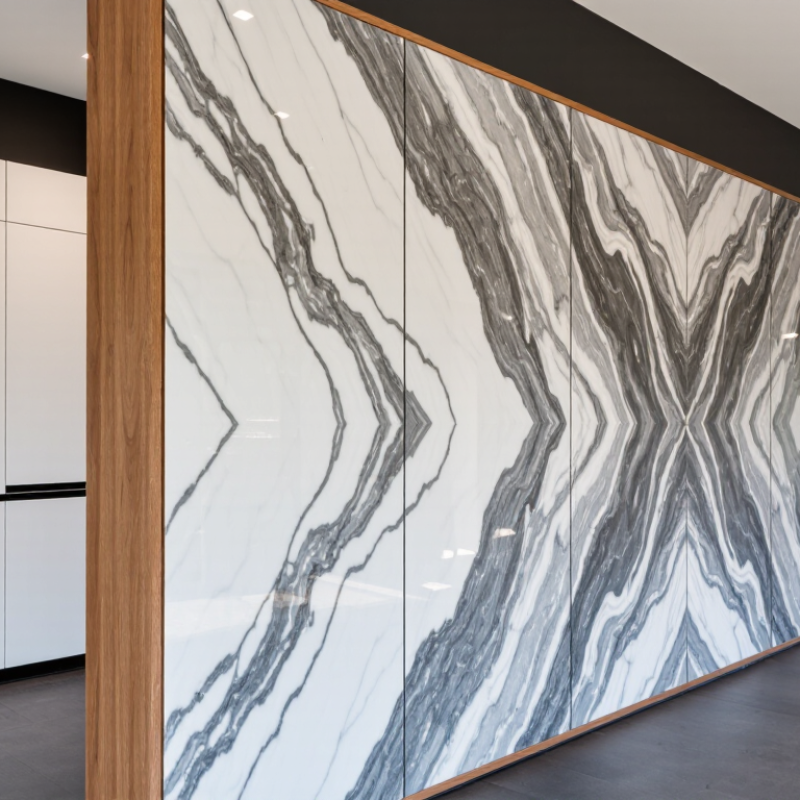
In 2026, choosing a PVC Marble Sheet means more than picking an attractive stone pattern. The right panel should suit the room, installation method, and daily wear it will face. A dramatic veined design may look convincing in a showroom, yet feel too busy across a full wall. Samples help. View them under the room’s actual lighting, and check how the surface looks beside cabinets, flooring, and trim.
This guide compares practical details that can be easy to overlook: panel thickness, surface finish, core construction, edge quality, and the supplier’s installation guidance. Specifications vary between products, so a low price or polished photograph cannot establish quality by itself. Ask for current product data, care instructions, and clear information about suitable applications. For kitchens, bathrooms, or other humid spaces, confirm the manufacturer’s stated limits rather than assuming every sheet performs alike. Details matter.
We will also consider appearance, maintenance, durability, and overall value, while separating verifiable specifications from sales language. No single PVC Marble Sheet is best for every project. Room conditions, installer skill, budget, and personal taste all influence the result. And there is a trade-off: a realistic finish can still show scratches or uneven installation. That deserves honest attention. Use this comparison to identify the features that matter most, prepare useful questions for suppliers, and choose with realistic expectations—not just a picture that looks perfect online.
What PVC Marble Sheets Are and How They Are Made
What Is the Best PVC Marble Sheet in 2026?
What PVC Marble Sheets Are and How They Are Made
PVC marble sheets are decorative panels made mainly from polyvinyl chloride, mineral fillers, pigments, and processing additives. They imitate veined stone but are lighter and generally easier to cut and install. Unlike natural marble, their pattern is printed or formed in a surface layer. It is not stone. That difference affects heat tolerance, surface wear, and repair options.
Manufacturing methods vary, but production often begins by blending PVC resin with fillers and stabilizers. The mixture is heated, shaped into sheets, and cooled. A decorative film or printed pattern may then be applied, followed by a clear protective layer. Some sheets are embossed to add texture. Edges are trimmed to size. Small details matter. The precise recipe and coating thickness can differ, so claims about durability should be checked against product specifications. A glossy sample may look convincing, but it cannot show how a panel will perform after years of cleaning.
Tips: Ask for thickness, surface-layer, and care information before choosing a sheet. Check a physical sample under bright light for uneven color, bubbles, or rough edges. Also consider where it will be installed; high heat and abrasive cleaners may damage some finishes. A little uncertainty remains when comparing products from photos alone.
Key Types, Finishes, and Features of PVC Marble Sheets
What Is the Best PVC Marble Sheet in 2026?
PVC marble sheets come in different constructions, thicknesses, and surface finishes. Some are rigid panels designed for wall cladding, while thinner sheets can suit curved or detailed areas, depending on the product. Glossy finishes reflect light and make veining stand out. Matte surfaces feel quieter and can soften reflections. Embossed textures add a tactile stone-like effect, though dust may settle in deeper grooves.
The best choice depends on where the sheet will go. In a bathroom, check the manufacturer’s moisture and installation guidance; water resistance does not make every joint waterproof. For a kitchen backsplash, compare surface-cleaning instructions and inspect how the pattern aligns across panels. A thicker sheet may feel sturdier, but thickness alone does not prove durability. Ask for specifications and examine a sample under your room’s lighting. Veins that look subtle in a showroom can appear surprisingly bold at home. There is no universal winner.
Tips: Check the edges and printed pattern on a real sample. Confirm the recommended adhesive and substrate before installation. Matte hides reflections, not every mark. And remember, low cost can mean compromises in finish or consistency.
How to Evaluate PVC Marble Sheet Quality in 2026
What Is the Best PVC Marble Sheet in 2026?
How to Evaluate PVC Marble Sheet Quality in 2026
A good PVC marble sheet should have an even surface, consistent thickness, and a firm, well-bonded backing. Check the edges for bubbles, cracks, or layers that begin to separate. Under steady light, the printed veins should look natural, not abruptly repeated across the panel. Run your fingers over the face; it should feel smooth without oily residue or rough patches. Ask for the sheet’s dimensions, thickness tolerance, installation guidance, and technical data. Compare these details across samples rather than relying on a showroom display. A glossy finish can impress, but appearance alone tells little about long-term performance.
Tips: Request a sample and inspect it in daylight. Cut a small edge if permitted. Look for clean layers and ask how the sheet handles heat and moisture. Get claims in writing.
Installation conditions matter, too. A sound panel can still warp if fitted over an uneven or damp surface. Check whether the recommended adhesive suits your substrate, and allow the sheet to adjust to the room before installation when instructed. If possible, review a completed installation after several months, not just a fresh sample. That evidence is harder to find, and it may change your choice. No single finish is best for every room; choose based on cleaning needs, light, and expected wear.
Comparing PVC Marble Sheets for Different Uses
What Is the Best PVC Marble Sheet in 2026?
Comparing PVC Marble Sheets for Different Uses
The best PVC marble sheet depends on where it will be installed, not just how convincing its veining looks. For a bathroom wall, prioritize a stable core, sealed edges, and a surface that cleans without harsh scrubbing. In a kitchen backsplash, a smooth, nonporous finish can make splashes easier to wipe away. Still, check the product’s heat guidance before placing it near a cooktop.
For busy commercial interiors, thicker panels may feel more solid and resist everyday knocks better, though thickness alone does not prove quality. Ask for sample pieces and inspect the printed pattern, edge finish, and backing. A glossy white sheet can brighten a narrow hallway, while a muted stone pattern may hide fingerprints in a reception area. Color can look different under warm lamps. That part is easy to overlook.
Tips: Measure the wall in several places, then confirm panel dimensions and installation requirements. Use compatible adhesive and allow for expansion where specified. If the room stays damp, pay close attention to joints and corners; a good-looking panel cannot compensate for poor sealing. Check maintenance instructions before buying. Don’t guess.
How to Choose a PVC Marble Sheet for Your Project
What Is the Best PVC Marble Sheet in 2026?
The best PVC marble sheet is the one that suits your room, budget, and installation conditions. Start by checking the sheet’s thickness, surface finish, and technical data. A thicker panel may feel sturdier, but thickness alone does not guarantee quality. For a kitchen splashback, ask about heat and moisture resistance. For a busy hallway, consider scratch resistance and how easily the surface can be cleaned. Check whether the wall is flat and dry, too. Even a good panel can look uneven on a poor substrate.
Tips: Request a sample and view it in your project’s lighting. Inspect the printed veining up close; repeating patterns may be noticeable across a large wall. Confirm recommended adhesives and installation steps in the product documentation.
Think about edges, joints, and cutouts before ordering. Measure around sockets, corners, and cabinets, then allow for careful trimming. A glossy finish can brighten a dim room, while a softer sheen may hide fingerprints better. There is no single winner for every project, and choosing by appearance alone is an easy mistake. Compare verified specifications, sample the finish, and match the panel to the room’s actual use.
