What is the Best Irrigation Nozzle for Your Garden Needs?
Selecting the right irrigation nozzle is crucial for effective gardening. According to the Irrigation Association, efficient irrigation can reduce water use by up to 30%. These nozzles are essential for delivering the right amount of water to plants. Yet, many gardeners overlook their importance.
Irrigation nozzles come in various types, including spray, drip, and soaker options. Each type offers unique benefits depending on garden size and layout. A study indicated that using the appropriate nozzle can improve water distribution and plant health significantly. However, it's important to note that not all nozzles work well in every situation. Understanding the specific needs of your garden is key.
The choice of irrigation nozzle can make or break your gardening success. Whether it’s a small flower bed or a larger vegetable garden, selecting the wrong nozzle could lead to overwatering or underwatering plants. Many gardeners face this challenge, often realizing too late that the wrong choice impacts growth. Investing time in research can yield better long-term results.
Understanding Different Types of Irrigation Nozzles for Gardens
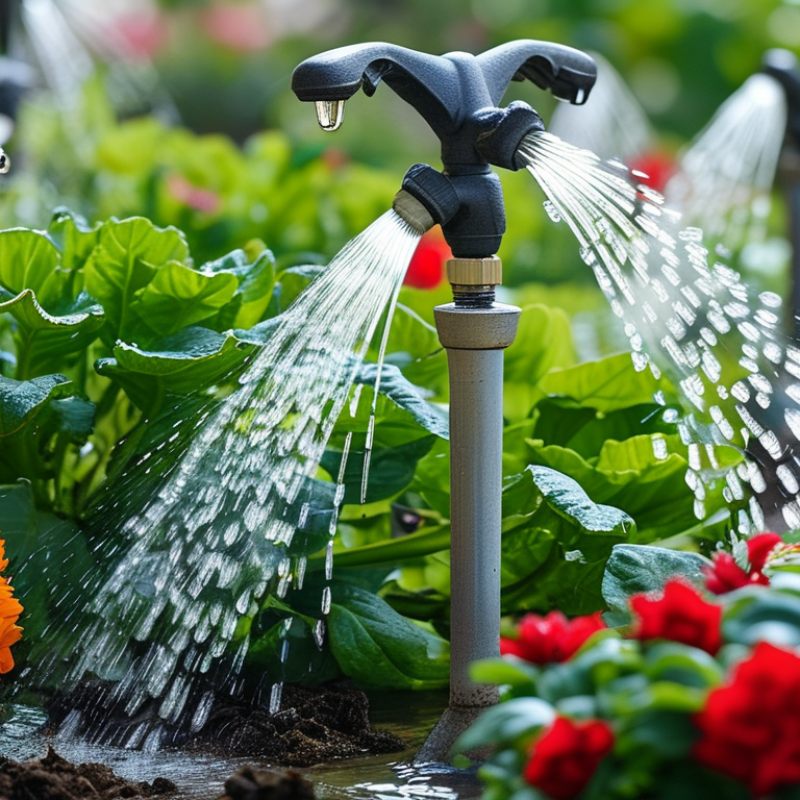
When selecting an irrigation nozzle for your garden, it's essential to understand the various options available. Different nozzles distribute water in unique ways. For example, spray nozzles deliver a wide fan of water, ideal for flower beds. In contrast, drip nozzles focus on precise watering for individual plants, reducing water waste.
Some gardeners prefer adjustable nozzles. These versatile nozzles allow for varying spray patterns, from fine mist to heavy stream. This flexibility can accommodate different plant needs. However, gardeners often make mistakes by choosing a one-size-fits-all nozzle. It’s crucial to assess the specific requirements of your garden.
Considerations like soil type and plant species matter greatly. Sandy soils require more frequent watering, while clay retains moisture longer. Many newcomers overlook these factors, leading to overwatering or underwatering. An informed decision about your nozzle can significantly impact your garden’s health. Take time to evaluate these details to enhance your watering approach effectively.
Factors to Consider When Choosing an Irrigation Nozzle
Choosing the right irrigation nozzle is crucial for effective garden care. Various factors influence this decision. You must consider the water pressure in your area. Lower pressure zones may require nozzles designed to optimize water flow. Understanding your garden type also helps. Flower beds, vegetable patches, and lawns each have unique watering needs.
The size of your garden impacts your nozzle choice. For large gardens, adjustable or rotating nozzles may be beneficial. Smaller gardens might thrive with fixed nozzles that deliver consistent streams. Additionally, the water source and availability can change the effectiveness of different nozzles. It’s worth exploring how nozzle material affects durability. Plastic nozzles may be lightweight but can wear out faster than metal ones.
Reflect on how much effort you want to invest in your irrigation. Some nozzles require more maintenance than others. A simple nozzle might not distribute water evenly, leading to dry spots. On the other hand, complex systems may overwhelm a novice gardener. Striking a balance between efficiency and ease of use is key. Always remember that trial and error can lead to the best choices.
Comparing Performance: Sprinkler vs. Drip Irrigation Nozzles
When considering irrigation for your garden, both sprinkler and drip nozzles have unique advantages. Sprinkler systems cover large areas quickly. They simulate rain, which is excellent for lawns and flower beds. However, they can waste water through evaporation and runoff. If your garden has uneven terrain or narrow spaces, sprinklers may not be the best choice. Observing how water disperses can help you decide.
On the other hand, drip irrigation nozzles deliver water directly to the roots. This method reduces evaporation and minimizes waste. Drip systems are great for vegetable gardens and potted plants. They can be set on a timer to ensure consistent watering. Yet, installing a drip system may require more upfront planning. You might find that some areas receive more water than others. Testing different setups can help refine your approach.
In considering your garden's specific needs, it's important to evaluate the performance of both types of systems. You may find the ideal solution involves combining the two. Flexibility in your watering strategy can lead to healthier plants and a more sustainable garden.
How to Adjust Your Irrigation Nozzle for Optimal Water Distribution
Adjusting your irrigation nozzle correctly can significantly enhance water distribution in your garden. Start by identifying the type of nozzle you have. Different nozzles provide various spray patterns—some deliver fine mist, while others produce a strong stream. This choice impacts how water reaches your plants.
To adjust your nozzle, twist the spray pattern knob to explore different outputs. Watch as water disperses. Is it soaking the base of your plants? Or is it spraying too wide? For optimal results, aim for a gentle shower that nourishes the roots without drowning them. Fine-tune the angle as well. Sometimes the nozzle needs a slight tilt. Minor adjustments can lead to significant improvements, but it takes practice.
Don’t worry if your initial setup isn’t perfect. Many gardeners find their irrigation systems require tweaking. Observe how your plants respond. Are some areas dry while others are too wet? Make small changes to the nozzle settings. Take note of how these adjustments impact water flow. Learning from these experiences will guide you to better irrigation practices over time.
Maintenance Tips to Extend the Life of Your Garden Nozzle
Choosing the right garden nozzle is about more than just water flow. It involves understanding how to maintain your tools for longevity. Research indicates that regular maintenance can extend the life of a garden nozzle by up to 50%. Simple steps can yield significant benefits.
Firstly, clean your nozzle regularly. Dirt and debris block water flow, leading to inefficiency. Use warm, soapy water and a soft brush to remove buildup. A quick rinse after each use also helps. Pay attention to the screen filter; a clogged filter can decrease performance drastically.
Also, check for leaks. Small leaks may seem harmless, but they can waste considerable water. Inspect your connections closely. Tightening fittings can sometimes solve the problem. If leaks persist, it may be time to replace seals.
Remember to store your nozzle in a cool, dry place. Extreme temperatures can warp plastic and damage seals. Keeping it out of direct sunlight is crucial. Protecting your garden accessories ensures they serve you well for years. Regular maintenance might seem tedious but is essential for optimal performance.
Best Irrigation Nozzles for Your Garden Needs
This chart displays the average customer satisfaction ratings for different types of irrigation nozzles. Spray and drip nozzles are the most favored, with ratings above 4.5, indicating high customer contentment.
