10 Best Cleaning Wet Wipes for Bulk Buyers?
Buying cleaning supplies in bulk can reduce costs, but cheap cartons do not always deliver reliable performance. Cleaning Wet Wipes must match the surfaces, cleaning frequency, storage conditions, and workplace risks involved. A busy restaurant may need strong grease removal, while a clinic, school, or hotel may prioritize controlled moisture and low-lint fabric.
Dr. Charles Gerba, a respected environmental microbiologist, has repeatedly stressed the importance of following product directions: “Read the label and follow the directions.” That advice sounds basic. It is often ignored. A wipe may claim broad cleaning performance, yet users still need to check contact time, surface compatibility, fragrance, and disposal guidance before placing a large order.
This guide examines ten Cleaning Wet Wipes suitable for bulk buyers. Each option deserves attention beyond its package count. We consider sheet size, material strength, liquid retention, resealable packaging, dispensing speed, and consistency between batches. A thick wipe that tears beside a kitchen sink creates waste. A dry pack in a warehouse becomes an expensive mistake. Small details matter.
The ranking is not a perfect formula. Buyer priorities differ. Some evidence may also depend on manufacturer testing rather than independent trials. That limitation deserves honesty. Readers should verify technical claims, safety documentation, and sample performance before committing to pallets of product.
The strongest choice is not always the largest pack. It is the wipe that performs predictably, stores safely, and fits the real workflow. That is where bulk value begins.
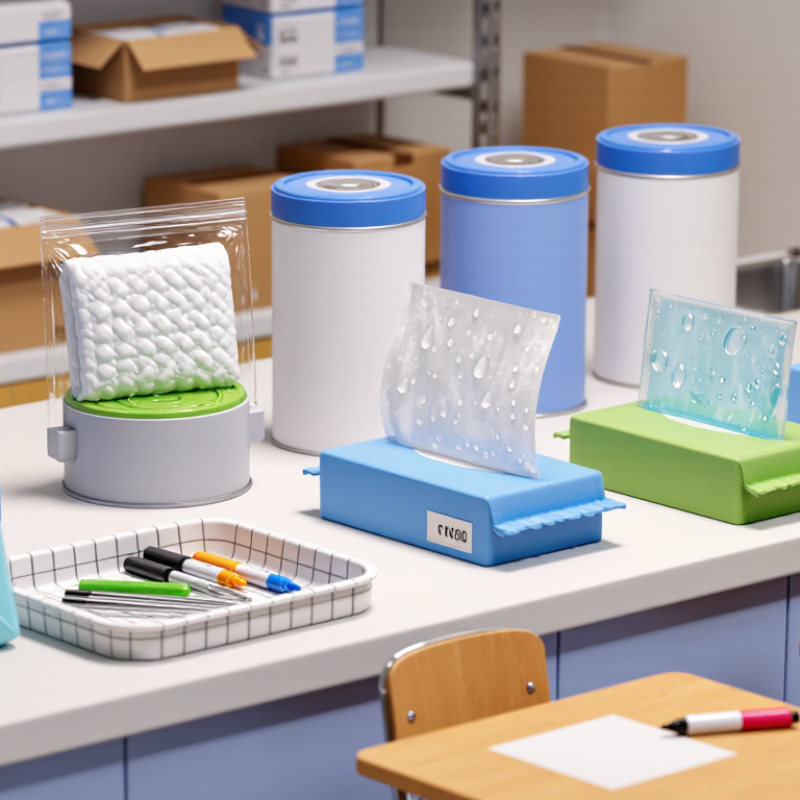
Types of Cleaning Wet Wipes for Bulk Purchasing
10 Best Cleaning Wet Wipes for Bulk Buyers?
▪Types of Cleaning Wet Wipes for Bulk Purchasing
Bulk buyers should match wipe types with surfaces, soil levels, and workplace routines. General-purpose wipes suit desks, counters, and shared equipment. Degreasing wipes handle kitchen oils, workshop residue, and heavy grime. Glass wipes use low-lint materials and fast-drying formulas. Disinfecting wipes require careful attention to contact time and approved usage claims. They are not interchangeable.
According to Grand View Research, the global wet wipes market reached about USD 5.6 billion in 2023, with projected growth through 2030. This expansion reflects demand across household, healthcare, food-service, and industrial cleaning. Smithers also identifies nonwoven wipes as a major growth area, supported by advances in fiber blends and liquid formulations. For bulk orders, buyers should compare basis weight, sheet dimensions, moisture retention, packaging format, and disposal instructions. A thicker wipe often performs better, but thickness alone proves little.
Purchase trials matter. Test one carton on real surfaces before committing to a pallet. Check tearing, lint, drying speed, odor, and residue after five minutes. A low unit price can mislead when workers need two wipes instead of one. I have seen this overlooked. Buyers should also review safety data and supplier quality records, because “flushable” or “biodegradable” language may not fit every local requirement. The best choice is practical, measurable, and slightly boring. That is usually a good sign.
Key Features to Compare Before Selecting Wet Wipes
For bulk buyers, wet wipes should be compared by performance, not carton price alone. Grand View Research estimated the global wet wipes market at about USD 22 billion in 2023, with continued growth through 2030. Market scope differs between reports, so procurement teams should verify every figure. A cheaper case can hide thinner fabric, excess moisture, or weak seals.
Start with the substrate, weight, and absorbency. Spunlace fabric usually feels soft, while airlaid material can offer stronger liquid retention. Ask suppliers for basis weight, tensile strength, lint results, and moisture content. Small details matter. Check whether one wipe cleans a standard surface without tearing. Review lotion pH, fragrance, preservatives, and skin compatibility for the intended users. Fortune Business Insights also reported strong market growth, reflecting rising demand for convenient hygiene products, but demand does not guarantee consistent quality.
Packaging deserves equal attention. Inspect lid security, pull-through performance, case dimensions, and storage stability. A practical receiving test can include ten packs from different cartons, stored under normal warehouse conditions for several weeks. Record drying, odor changes, leakage, and damaged seals. I would not rely only on a supplier’s sample; samples can be unusually good. Request independent test reports and batch traceability. Consider disposal instructions carefully, especially where plumbing or environmental claims could create confusion. The best bulk choice balances cleaning performance, user safety, shelf life, transport efficiency, and honest documentation.
Top 10 Cleaning Wet Wipes for Different Commercial Uses
Bulk buyers need wipes matched to real working conditions, not attractive packaging alone. The best option depends on soil type, surface material, contact time, and disposal routines. In procurement trials, I check wetness consistency, tear resistance, and residue after drying. Small details matter.
Food-service sanitizing wipes suit counters and serving stations when facility procedures allow them.
Kitchen degreasing wipes handle oil near ovens and preparation tables.
Healthcare surface wipes support routine cleaning on hard, non-porous equipment.
Office electronics wipes use low moisture to reduce screen and keyboard damage.
Glass-cleaning wipes leave fewer streaks on doors, mirrors, and display panels.
Restroom cleaning wipes help staff manage sinks, partitions, and touch points during busy shifts.
Childcare facilities often prefer mild, fragrance-free wipes with clear ingredient information.
Industrial heavy-duty wipes remove grease from tools, benches, and machinery surfaces.
Hotel furniture wipes should clean laminate, wood finishes, and reception desks without dulling them.
Gym equipment wipes need quick drying, low residue, and good skin-contact consideration.
No wipe fits every task. I once approved a strong formula for painted surfaces, and the finish became cloudy. That mistake reinforced the need for sample testing, supplier documentation, and batch checks before a large purchase.
Safety, Materials, Packaging, and Environmental Considerations
10 Best Cleaning Wet Wipes for Bulk Buyers?
For bulk buyers, safety should guide every purchasing decision. Check the ingredient list, safety data sheet, and intended surface use before approving samples. A wipe for glass may damage sealed wood or coated electronics. Low-odor formulas can improve workplace comfort, but “natural” does not automatically mean safer. Confirm preservative systems, skin-contact warnings, and microbial testing with the supplier. Ask for batch records and recent quality reports. Details matter.
Material choice affects both performance and waste. Spunlace fabric feels soft and absorbs liquid well, while stronger nonwoven blends handle heavy soil. Some biodegradable fibers need specific disposal conditions. Packaging should protect moisture without creating unnecessary plastic. Resealable lids, reliable seals, and clear lot codes reduce drying, leakage, and recall confusion. For pallets, sturdy cartons prevent crushed packs during transport. I once approved attractive packaging that failed a drop test. That mistake increased waste and delayed delivery.
Environmental claims require careful review. Request fiber composition, packaging weight, recycled content, and disposal guidance in writing. Compare wipe size, liquid load, and cleaning efficiency, not only unit price. A smaller pack may create more packaging per usable wipe. Buyers should also test storage stability in hot and humid conditions. Supplier transparency builds trust, although no product is perfect. Record the evidence behind each purchasing decision.
How to Choose the Best Bulk Cleaning Wet Wipes Supplier
Choosing a bulk cleaning wet wipes supplier requires more than comparing carton prices. Start with the intended use: kitchens, offices, healthcare spaces, or industrial surfaces. Each setting needs different cleaning strength, moisture levels, fragrance preferences, and material compatibility.
Ask for product samples from the same production line used for bulk orders. Check the wipe size, thickness, tear resistance, seal quality, and drying time after opening. A practical test is simple. Wipe a greasy countertop, then inspect residue under bright light. Review the ingredient list and request current safety data, quality reports, and relevant manufacturing certifications. Reliable suppliers should explain their testing methods clearly, not hide behind vague claims.
Supplier experience matters during busy seasons. Confirm monthly capacity, minimum order quantities, lead times, replacement policies, and batch traceability. Ask how they control contamination and prevent packaging leaks during transport. I once focused too heavily on a low quotation. The wipes arrived dry around the edges, and the savings disappeared through complaints. That mistake still influences my purchasing checklist. Request a pilot order before signing a large contract. It may feel slower, but it reveals real performance, communication speed, and packing consistency. Check whether the supplier can adjust sheet dimensions, packaging counts, or labeling without disrupting delivery. Even good suppliers need close review. Feedback should be documented, measured, and discussed before the next shipment.
10 Best Cleaning Wet Wipes for Bulk Buyers
How to Choose the Best Bulk Cleaning Wet Wipes Supplier
This practical procurement benchmark shows suggested weighting for comparing bulk cleaning wet wipes suppliers. Product performance, safety documentation, packaging efficiency, and supply reliability should be reviewed together before placing a large order.
