Top 10 Benefits of Using Galvanized Pipe for Your Projects?
In recent years, the construction industry has seen a resurgence in the use of Galvanized Pipe due to its impressive durability and versatility. A report by the American Institute of Steel Construction stated that galvanized steel can last over 50 years in adverse conditions. This longevity makes the initial investment more attractive to contractors. Galvanized pipe is predominantly used in plumbing and structural applications, demonstrating its critical role in project reliability.
Experts highlight that galvanized pipe excels in environments prone to corrosion. According to a study from the International Zinc Association, galvanization can increase steel life expectancy significantly. Its protective zinc coating makes it ideal for various applications, from water supply systems to scaffolding. However, choosing to use galvanized pipe is not without its considerations. Understanding the installation and maintenance challenges is essential.
The benefits of using galvanized pipe are substantial, but they require careful evaluation in project planning. With attention to E-E-A-T principles, it's crucial to assess the specific needs of each project. Balancing the advantages against potential drawbacks ensures a well-informed decision.
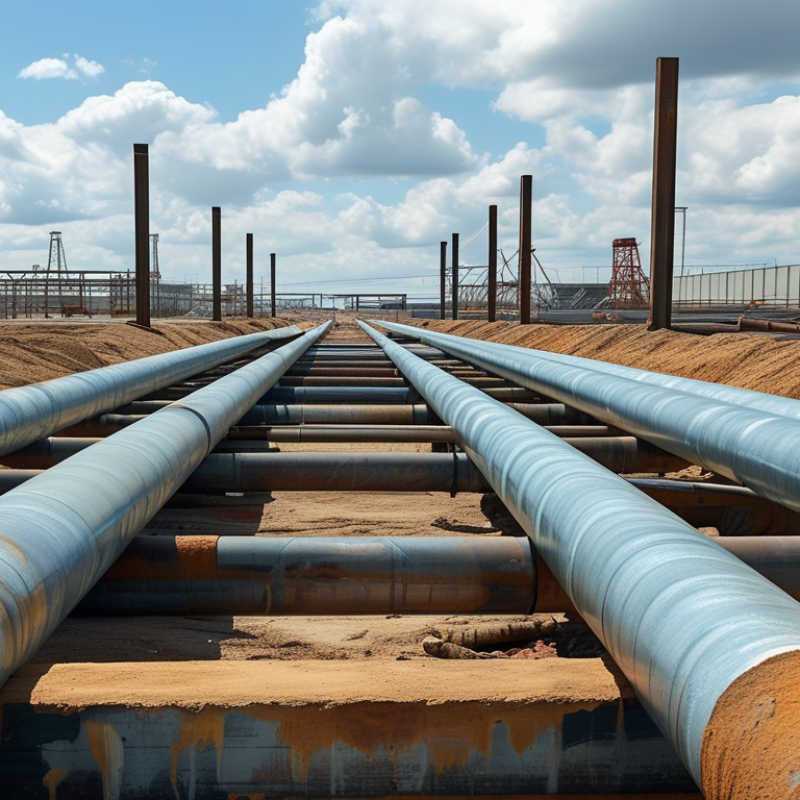
Benefits of Corrosion Resistance in Galvanized Pipe Applications
Using galvanized pipe offers significant benefits, particularly its corrosion resistance. This quality makes it ideal for various applications, ensuring longevity and durability. Corrosion-resistant properties help prevent rust and deterioration when exposed to moisture and harsh environments. This reliability translates into fewer maintenance costs and extended lifespan for projects that utilize galvanized pipe.
One crucial tip for maximizing the benefits of galvanized pipe is to ensure proper installation. Incorrect fitting can lead to leaks, which may compromise the pipe's integrity over time. It's also vital to inspect the pipes regularly for any signs of wear or damage. This proactive approach can prevent costly repairs down the line.
When working with galvanized pipe, consider the environmental conditions it will face. In extreme temperatures or high humidity, some level of corrosion may still occur. Regular monitoring is key. The aesthetics of galvanized pipe can also change over time. It's helpful to be open to refinishing or re-coating options to maintain a clean appearance.
Cost Efficiency: Long-Term Savings with Galvanized Pipes for Projects
When considering materials for a project, cost efficiency is often a top priority. Galvanized pipes provide significant long-term savings. The initial investment may be higher than other options, yet the durability they offer pays off in the long run. These pipes withstand corrosion and rust, which reduces the need for frequent replacements. Over time, this reliability translates to fewer repair costs and less hassle.
In addition to durability, maintenance is minimal with galvanized pipes. A simple inspection may suffice for years, depending on the application. This translates to reduced labor costs as well. For anyone managing a budget, this efficiency is appealing. However, not all situations may call for galvanized piping. Each project must be evaluated based on specific needs. Understanding these nuances can help make more informed decisions about material choices. It's crucial to consider both immediate and future costs when selecting materials, ensuring the best value for your investment.
Top 10 Benefits of Using Galvanized Pipe for Your Projects
Versatility of Galvanized Pipes Across Various Industries and Uses
Galvanized pipes are gaining popularity across various industries for their remarkable versatility. These pipes, coated with zinc, offer excellent resistance to corrosion and rust. This makes them suitable for both residential and industrial applications. From plumbing systems to outdoor projects, their durability ensures they last longer than non-galvanized alternatives.
In construction, galvanized pipes are often used for structural support and scaffolding. Their strength provides safety and stability under heavy loads. In agriculture, they transport water and fertilizers efficiently. However, some users report challenges during installation due to their weight. Proper care is essential to avoid mishaps.
The versatility of galvanized pipes extends to HVAC systems, where they are used to carry air and gases. Additionally, they serve in marine applications, resisting saltwater corrosion. Despite these advantages, some projects may require alternative materials. Evaluating the specific needs is crucial for making the best choice. The balance of cost, durability, and application will greatly influence the decision.
Enhanced Durability: Lifespan Comparison of Galvanized vs. Non-Galvanized Pipes
Galvanized pipes stand out due to their enhanced durability. They can last up to 50 years, far surpassing non-galvanized options. This lifespan makes them ideal for various applications. When considering factors like corrosion resistance, galvanized pipes have a clear edge. The zinc coatingprotects the Steel Pipe from rust and degradation over time.
Not all projects need pipes with the same longevity. Some may prioritize cost over durability. For instance, a non-galvanized pipe might suffice for a short-term project. However, it may require frequent replacements, increasing long-term costs. It's also vital to consider the environment. In high-moisture areas, non-galvanized pipes might deteriorate quickly, leading to additional expenses and potential failures.
Maintenance is another factor. Galvanized pipes often require less upkeep. Yet, this doesn't mean total immunity to wear. Over time, the zinc layer can wear down, especially in harsh conditions. These considerations highlight the importance of choosing the right material for specific needs. Balancing durability with project requirements can be challenging but is crucial for success.
Environmental Impact: Recyclability and Sustainability of Galvanized Steel
Galvanized steel has become a preferred choice in construction for its environmental benefits. Its recyclability is one of the key aspects that attract many builders today. Unlike many materials, galvanized pipes can be recycled multiple times without degrading their quality. This reduces waste in landfills and conserves resources. Using galvanized steel means contributing to a circular economy.
It's important to note that while galvanized steel is beneficial, misconceptions exist about its environmental impact. Some may assume that the galvanization process is harmful, yet modern techniques have minimized any negative effects. Awareness of these methods can help projects align with sustainability goals.
Tips for sustainability include ensuring that the galvanized materials used are sourced locally. This reduces transportation emissions. Additionally, consider the lifespan of galvanized pipes; their durability means less frequent replacements and lower resource consumption over time. Finally, always check for recycling facilities in your area that accept galvanized steel. Being proactive about these choices enhances the ecological footprint of your projects.
