What Are the Benefits of Using Barracks Containers for Housing?
The use of Barracks Containers for housing has gained traction in recent years. These structures offer numerous advantages. According to industry reports, the global modular construction market is expected to reach $157 billion by 2025. Barracks Containers are a significant part of this growth, providing cost-effective and efficient housing solutions.
John Smith, a leading expert in container housing, notes, “Barracks Containers streamline the construction process while maintaining quality.” This sentiment underscores a trend where speed and affordability are increasingly prioritized. The containers are known for their durability and quick assembly times, often reducing project completion times significantly.
While the benefits are clear, it's essential to consider potential downsides. The initial setup might require adjustments in planning and local regulations. Ensuring compliance can sometimes pose challenges. As the market evolves, continuous evaluation will be necessary to address these concerns and enhance the overall reliability of Barracks Containers.
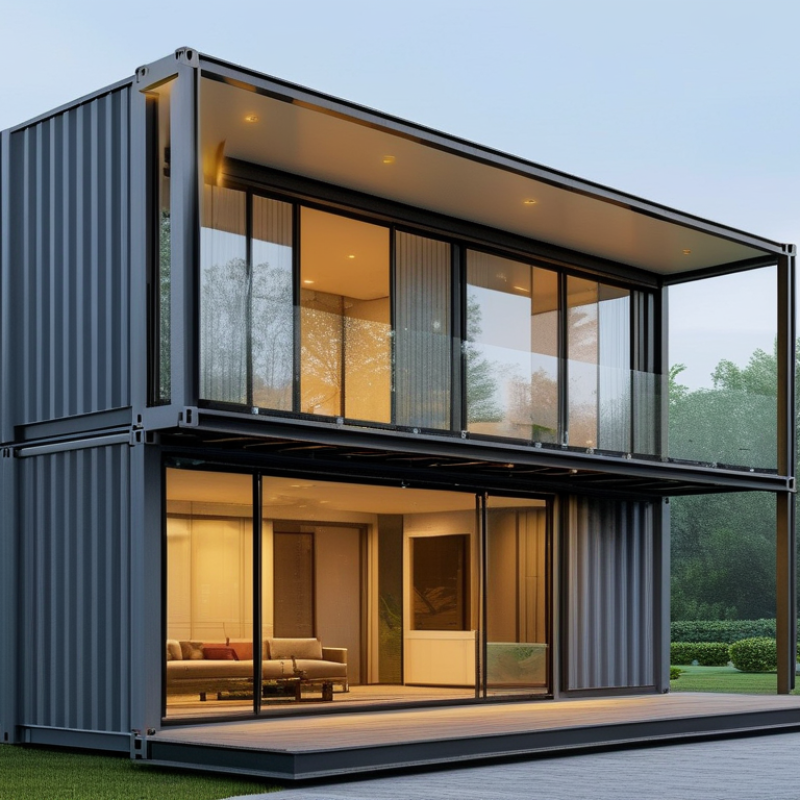
Advantages of Barracks Containers for Temporary Housing Solutions
Barracks containers are gaining popularity as a temporary housing solution. They are designed to provide basic shelter in various settings. Many organizations turn to them for quick housing needs after disasters or for large events. Their modular nature allows for easy setup and relocation.
One key advantage of barracks containers is their durability. Made from strong materials, they can withstand harsh weather conditions. This makes them ideal for remote locations or areas with unstable infrastructure. Additionally, they can be easily insulated, improving comfort for residents. Many users appreciate their cost-effectiveness compared to traditional housing options.
However, there are limitations worth considering. Space can be tight, and customization may be limited. Residents may miss the comfort of permanent homes. It's essential to ensure these containers are placed in safe environments. While they provide immediate solutions, careful planning is needed for long-term use.
Cost-Effectiveness of Barracks Containers Compared to Traditional Housing
Barracks containers are gaining attention for their cost-effectiveness compared to traditional housing. According to industry reports, barracks containers can reduce housing costs by up to 50% depending on location. This affordability is crucial in areas facing housing shortages. Using these containers can accelerate construction timelines. They are prefabricated and easily transported, making them ideal for rapid deployment in emergency situations or during construction projects.
One of the significant advantages of barracks containers is their durability. They are designed to withstand harsh conditions, offering longevity that many traditional homes may lack. Studies indicate that these containers can last up to 25 years with proper maintenance. However, it’s essential to consider that while the initial cost savings are appealing, the need for insulation and amenities can add to the overall expense.
Tip: For individuals or organizations considering barracks containers, always assess the long-term costs versus initial savings. It may seem economical at first, but factors like energy efficiency should not be overlooked.
Proper planning is crucial. Sizing and layout can impact comfort and functionality. Understanding local regulations is vital, as zoning laws may affect site placement. That said, working with experienced professionals can help navigate these challenges effectively.
Mobility and Flexibility of Barracks Containers in Housing Applications
Barracks containers have gained popularity in housing applications due to their mobility and flexibility. These structures can be easily transported, making them suitable for various locations. According to a report by the Container Housing Institute, around 60% of projects utilizing modular containers are often relocated within the first five years. This aspect allows communities to adapt to changing needs quickly.
In emergency situations, barracks containers prove invaluable. They can be deployed rapidly, housing displaced populations efficiently. Reports indicate that a single unit can accommodate up to four people comfortably. This rapid deployment is essential in disaster relief efforts, where time is of the essence.
Tip: When considering barracks containers, evaluate the local zoning laws. It's crucial to ensure compliance before installation.
Flexibility also extends to design. Barracks containers can be modified to suit diverse climates and environments. Some projects optimize thermal insulation or incorporate renewable energy sources. However, challenges arise in ensuring quality. Not all containers meet the same safety standards, which can lead to inconsistent living conditions if not properly assessed.
Tip: Research potential modifications to improve energy efficiency. Small changes can lead to better sustainability in housing designs.
Durability and Sustainability of Barracks Containers for Long-Term Use
Barracks containers are gaining attention for their durability and sustainability in housing solutions. With the average lifespan of a traditional building around 30-50 years, barracks containers can last significantly longer when properly maintained. Made from high-quality steel, they are resistant to harsh weather conditions. Research from the International Container Housing Institute shows that these containers can withstand winds of up to 130 miles per hour, making them a reliable choice for varied climates.
Sustainability is another key advantage. Building with containers reduces the need for new materials, thus lessening environmental impact. A study by the World Green Building Council indicates that reusing shipping containers can reduce construction waste by up to 90%. This resource-efficient method is particularly valuable in urban settings where land use and sustainability are increasingly critical.
However, there are aspects to consider. While some projects report lower energy costs, not all barracks containers come equipped with adequate insulation. Heating and cooling may remain challenges. Overlooking these issues can affect comfort and energy efficiency. It's essential to assess individual needs before choosing this housing option. Despite these challenges, the potential for durability and sustainable living remains strong with careful planning and execution.
Customizability and Design Options for Barracks Container Living Spaces
The customizability of barracks containers for housing offers unique design options that attract many. With modular structures, these containers can be easily modified to fit various needs. Their layout can be adjusted to create functional living spaces. For instance, interior partitions can be added or removed to enhance privacy or create open spaces.
Additionally, the exterior of the containers can be customized as well. Color choices and finishes allow for aesthetic appeal. Some might opt for sustainable materials to reduce environmental impact. However, not every modification may suit individual preferences. Some designs may feel cramped or lack warmth, requiring thoughtful consideration.
Moreover, the use of natural light can be maximized through strategic window placement. This can enhance the living experience, but improper placement can lead to excessive heat or cold. It's essential to evaluate what works best for your lifestyle. Perhaps, these are not flaws but considerations to ponder when designing your barracks container home.
