What is Anti Riot Police Uniform and Why is it Important?
The Anti Riot Police Uniform is a critical component in maintaining public order. Designed for durability and functionality, it offers protection for officers facing violence during riots. This uniform ensures that police can effectively manage crowds while minimizing injuries.
These uniforms are typically equipped with specialized gear, including helmets, shields, and body armor. They are often designed in dark colors for tactical advantages. The choice of materials is important; they must be lightweight yet strong. Companies dedicated to manufacturing these uniforms emphasize both innovation and safety features.
Despite their advanced design, one must recognize the limitations. Uniforms can sometimes inhibit mobility in intense situations. It’s essential for officers to receive training in both handling confrontations and understanding the gear they wear. The Anti Riot Police Uniform is not just clothing; it represents authority and the need for balance in society.
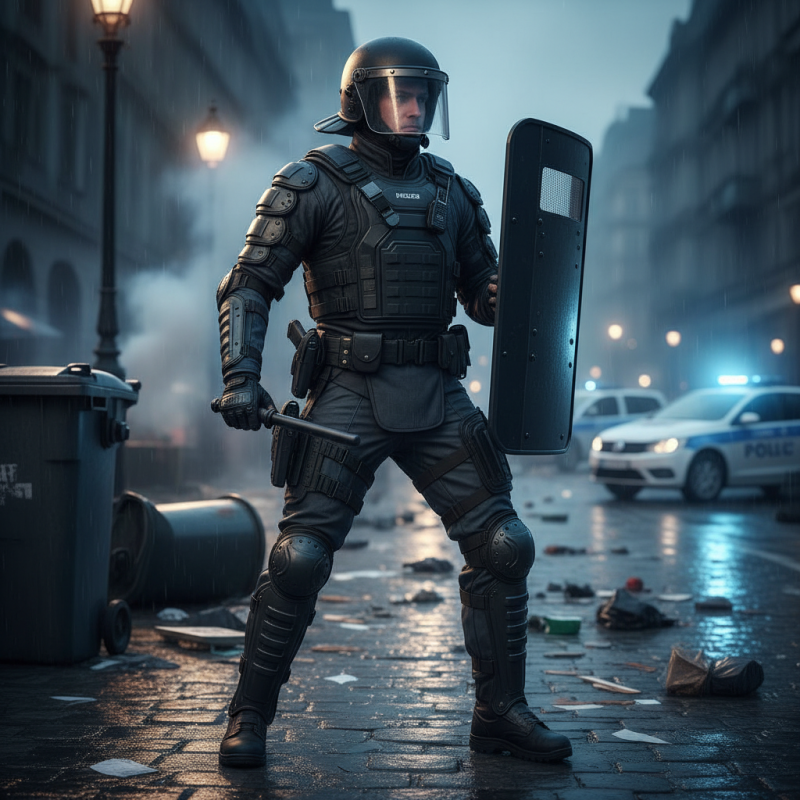
Characteristics of Anti Riot Police Uniform Design and Materials
Anti riot police uniforms are designed with specific characteristics to ensure the safety and effectiveness of law enforcement during civil disturbances. These uniforms incorporate advanced materials to provide protection against various hazards. Reports indicate that the global market for tactical gear is expected to reach $20 billion by 2025, highlighting the increasing importance of high-quality riot gear.
Materials used in anti riot uniforms must be d urable and lightweight. Kevlar and reinforced fabrics are common choices. These materials offer ballistic protection without sacrificing mobility. Moisture-wicking properties are also vital. Officers need to remain comfortable during prolonged engagements. Recent studies show that sweat and heat can lead to decreased performance and focus in critical situations.
Tips: Choose uniforms that feature adjustable components. They improve fit and comfort. Ensure proper training in using the gear. Familiarity enhances safety and efficiency in the field. Regular assessments of uniform effectiveness can reveal necessary changes. Uniforms should evolve based on real-world feedback to meet the changing demands of riot control.
Historical Development of Anti Riot Police Uniforms Worldwide
The historical development of anti-riot police uniforms reflects the changing needs of law enforcement. These uniforms have evolved to offer better protection and mobility. Early designs were often heavy and cumbersome. They lacked the advanced materials we see today. Over time, the focus shifted to incorporating lightweight, durable fabrics.
In the 1960s and 1970s, protests became more intense. Anti-riot gear was crucial for managing crowds. Policemen needed to mitigate violence while remaining agile. Uniform designs started featuring reinforced areas. This change aimed to protect against projectiles and blunt objects. Specialized helmets and shields were introduced as well.
Today, anti-riot uniforms combine function and safety. They include reflective materials for visibility. These elements help in identifying officers during large events. However, not all designs are perfect. Some lack breathability, leading to discomfort. This is an area for further innovation. Reflecting on past developments, we see a balance of aesthetics and practicality in modern uniforms.
The Role of Anti Riot Police Uniforms in Law Enforcement Operations
Anti-riot police uniforms play a crucial role in law enforcement operations. These uniforms are specifically designed to protect officers during protests or riots. They consist of durable materials that can withstand physical confrontations. The colors often used are dark to help hide stains and wear.
The equipment included in these uniforms varies. Officers typically wear body armor, helmets, and face shields. This not only safeguards them but also provides a presence that can deter violence. Communication devices are also integrated into the design. This allows officers to coordinate efforts effectively.
However, the effectiveness of these uniforms can raise questions. They may create an intimidating atmosphere. This can change how the public perceives law enforcement. Striking a balance between protection and community engagement is essential. Police departments must continue to refine these uniforms while considering community needs and feedback.
What is Anti Riot Police Uniform and Why is it Important?
| Dimension | Description | Importance |
| Material | High durability fabric that withstands wear and tear. | Ensures longevity and reliability during operations. |
| Protection Level | Provides ballistic and impact protection. | Protects officers from injuries during confrontations. |
| Visibility | Bright colors and reflective materials for easy identification. | Ensures public and officer safety in chaotic situations. |
| Comfort | Designed for breathability and movement. | Enhances mobility during high-stress operations. |
| Customization | Adjustable sizes and options for gear attachment. | Allows officers to tailor uniforms for specific missions. |
Impact of Anti Riot Police Uniforms on Public Perception and Safety
The impact of anti-riot police uniforms on public perception is significant. Visual cues shape how communities view law enforcement. A report from the International Association of Chiefs of Police indicates that 70% of the public feels safer when officers wear identifiable uniforms. The armor, helmets, and shields symbolize authority and protection. However, these items can also generate fear.
While uniforms can enhance safety perception, they may also provoke anxiety. Research shows that 40% of protesters feel threatened by heavily armored police. The clash between uniform design and community trust is evident. Officers in tactical gear may be seen as aggressive, rather than protectors. Public dialogue is essential to bridge this divide. A uniform should balance authority with approachability.
Furthermore, the importance of individual officer interaction cannot be overstated. Uniforms alone cannot foster trust. According to a study by the Police Executive Research Forum, direct communication with community members improves perceptions. Personal interactions can soften the rigid image that uniforms sometimes present. Thoughtful design and community engagement are key to reshaping public attitudes.
Future Trends in Anti Riot Police Uniform Technology and Design
The design and technology of anti riot police uniforms are evolving rapidly. As civil unrest increases, the need for specialized gear becomes critical. Modern uniforms incorporate lightweight ballistic materials, enhancing protection without sacrificing mobility. These advances allow officers to respond effectively while minimizing fatigue.
Integrating technology into uniforms is a growing trend. Wearable sensors can monitor officers' vital signs and environmental conditions. This data can improve decision-making in high-pressure situations. Furthermore, smart fabrics with temperature regulation help maintain comfort during prolonged use. However, challenges remain in ensuring durability and performance under extreme conditions.
Reflecting on current designs, many uniforms lack adjustability for diverse body types. A uniform that cannot fit all diminishes the effectiveness of the wearer. Addressing this issue is paramount for future development. Additionally, ethical considerations in sourcing materials are often overlooked. As the industry advances, a focus on sustainable practices will be essential for building trust in law enforcement.
