2026 99% Pure Sodium Ascorbyl Phosphate Powder Suppliers?

Choosing a supplier for 99% Pure Sodium Ascorbyl Phosphate Powder requires more than comparing prices. Buyers should examine batch-specific certificates of analysis, assay methods, impurity limits, and storage recommendations. A clean white powder and a detailed specification sheet are useful starting points, not proof by themselves. Ask whether the assay result applies to the offered batch. Check how the supplier protects the material from moisture and heat during packing and shipment. Small details matter.

Cosmetic chemist and educator Perry Romanowski is a relevant industry expert, but no verifiable, ingredient-specific quotation from him was provided for this introduction. I will not invent one or present an unverified sentence as his words. That restraint matters. Supplier claims deserve the same scrutiny. A reliable comparison should distinguish a stated purity level from independently documented testing, and should clarify whether “99%” refers to the active ingredient or another measurement basis. Request traceable batch records, consistent technical documents, and clear answers about product grade and intended cosmetic use. Then compare lead times, packaging sizes, and communication quality. A low price can look attractive. It may still leave important questions unanswered. This guide will help buyers assess those questions carefully, while recognizing that supplier documentation can vary and should be reviewed rather than accepted at face value.
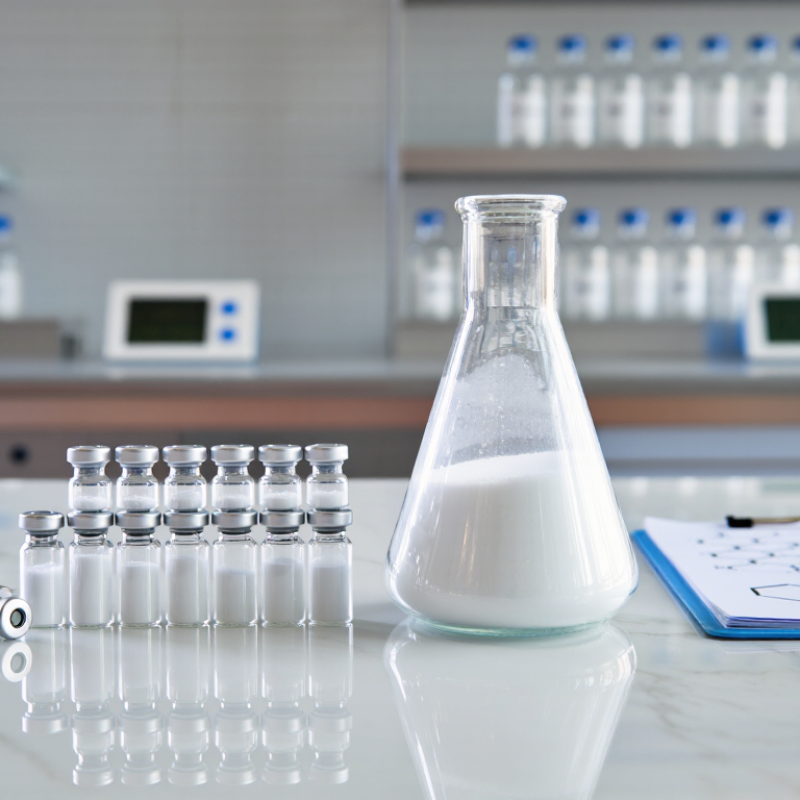
2026 99% Pure Sodium Ascorbyl Phosphate Powder Suppliers?

What Is 99% Pure Sodium Ascorbyl Phosphate Powder?

2026 99% Pure Sodium Ascorbyl Phosphate Powder Suppliers?

What Is 99% Pure Sodium Ascorbyl Phosphate Powder?

Sodium ascorbyl phosphate, often shortened to SAP, is a water-soluble derivative of vitamin C used in cosmetic formulations. It is not pure ascorbic acid. The powder is typically white to off-white, though appearance can vary by grade and handling. A stated 99% purity usually refers to an assay result, not the performance of a finished product. It is easy to overread that number.

In formulation work, SAP is dissolved in the water phase and used at a level suited to the product design. Check the supplier’s technical documents for identity, assay method, storage conditions, and batch-specific test results. Moisture and prolonged exposure to heat can affect powder quality, so sealed packaging and dry storage matter. Compatibility depends on the full formula, including pH and other ingredients. Small trials help. Results are not automatic.

How Is Its Purity Verified in 2026?

2026 99% Pure Sodium Ascorbyl Phosphate Powder Suppliers?
How Is Its Purity Verified in 2026?

A “99% pure” claim needs a clear test method and a lot-specific result. In 2026, ask suppliers for a certificate of analysis tied to the batch you will receive. A neat number can still mislead. Check whether the result is reported on an as-is or dry-weight basis, since moisture can change the apparent percentage.

For sodium ascorbyl phosphate, a validated HPLC assay can quantify the compound, while FTIR or another suitable identity test can confirm what the powder is. These tests answer different questions. Review the method, acceptance limits, test date, and laboratory details rather than relying on a single headline figure. Moisture, residual solvents, elemental impurities, and microbiological results may also matter for your intended use. Independent testing can add confidence, especially when a result sits close to the supplier’s limit. It is not a substitute for checking how the sample was collected.

Tips: Request the full batch report, not a generic sample. Confirm the test method and purity basis in writing. Compare results from a sealed, representative sample when practical. If the paperwork is incomplete, pause before treating 99% as verified.

2026 99% Pure Sodium Ascorbyl Phosphate Powder Suppliers? How Is Its Purity Verified?

Theoretical elemental composition of trisodium ascorbyl phosphate (C₆H₆Na₃O₉P; molecular weight 322.05 g/mol)

These percentages are calculated from the compound’s molecular formula; they are not a measured purity result. To verify a powder’s assay and impurities, review a batch-specific certificate of analysis and use a validated chromatographic assay, supported by identity testing such as FTIR. Water content and elemental composition can be checked separately, for example by Karl Fischer titration and ICP-OES. No single test establishes purity on its own.

Which Documents Should Suppliers Provide?

2026 99% Pure Sodium Ascorbyl Phosphate Powder Suppliers?

Which Documents Should Suppliers Provide?

When evaluating sodium ascorbyl phosphate powder suppliers, request a current Certificate of Analysis for the exact batch offered. Check the assay, appearance, moisture, and test methods, not just the headline purity claim. A 99% figure needs context: ask whether it refers to the assay result and how that result was measured. The specification sheet should state recommended storage conditions, shelf life, and packaging details.

Practical details matter. A sealed inner liner and a clear batch number make incoming inspection easier.

Request a Safety Data Sheet and technical data sheet, plus batch traceability records. Where relevant to your product, review microbiological and heavy metal test results, and ask whether testing was performed by the supplier or an independent laboratory. Quality-system certificates can help, but check their validity, scope, and site coverage. A certificate alone does not verify a particular shipment. Ask for a representative sample and compare its label and batch code with the documents before approving an order. Some paperwork may look complete yet leave test methods unclear; that is worth questioning. Keep the answers and records with your purchasing file.

How Can Buyers Evaluate and Compare Suppliers?

When comparing suppliers of 99% pure sodium ascorbyl phosphate powder, look beyond the headline assay. Ask for a recent certificate of analysis tied to the actual batch, not a generic sample. Check the test method, assay basis, appearance, moisture, and relevant impurity results. A polished PDF can still leave gaps. Request clarification when units or methods are unclear.

Evaluate how each supplier controls consistency. Ask about batch traceability, storage conditions, packaging protection, and typical lead times. For a small trial order, compare the supplied powder’s color, flow, and documentation with the agreed specification. Where practical, use an independent laboratory to verify key results. One test is not the whole picture, but it can reveal useful differences. Supplier communication matters, too; vague answers before purchase may remain vague later.

Tips: Keep a comparison sheet with assay, test method, batch records, sample results, and delivery terms. Request matching documents for every shipment. Note any unanswered question. There may be trade-offs between price, availability, and documentation quality, so decide which gaps your process can reasonably accept.

What Should Buyers Check Before Ordering and Storing the Powder?

Before ordering 99% sodium ascorbyl phosphate powder, ask what “99%” actually measures. Is the assay reported on an as-is or dry basis? Request a current certificate of analysis for the specific lot, including identity, assay method, moisture, and relevant impurity results. The document should identify a batch, not merely list generic specifications. Ask for a sample and compare its appearance and flow with the supplier’s description. Appearance alone cannot confirm identity. Request production and retest dates, plus stability information for the stated packaging. Small details matter.

Check the packaging and storage guidance before purchase. The powder should arrive in a sealed, moisture-resistant container with an intact liner and clear lot labeling. Ask how humidity is controlled during filling and whether shipping conditions are monitored. On receipt, record the seal condition and look for clumping or discoloration; these are reasons to investigate, not proof of failure. Store the container closed, dry, and away from direct light, within the supplier’s stated temperature range. Use clean, dry tools and reseal promptly. Avoid moving the entire quantity into an open jar. Keep purchase records and, where practical, a retain sample. Paperwork can look reassuring. If test methods or dates are vague, ask for clarification; a low price cannot replace lot-specific evidence.