2026 Top Crew Ankle Socks for Wholesale Buyers?
Wholesale buyers choosing Crew Ankle Socks in 2026 need more than a low unit price. Fit consistency, fabric recovery, and dependable replenishment shape the real value of an order. A ribbed cuff that slips after several washes can turn an attractive sample into customer returns. Small details matter.
Hosiery sourcing specialist Elena Brooks is an illustrative expert persona for this introduction, not a verified external source. Her guide-specific reminder is: “A strong sock earns repeat orders through fit, feel, and consistency—not packaging alone.” Treat this as an editorially created quote, not a documented statement. Buyers should verify claims with supplier specifications, sample testing, and written production tolerances.
This overview will compare yarn blends, cushioning, toe seams, sizing, color options, and packaging for wholesale programs. It will also consider minimum order quantities, lead times, and how clearly suppliers communicate changes between samples and bulk production. Ask for details. A soft cotton-rich knit may feel appealing, yet shrinkage and drying time still deserve scrutiny. There is no perfect specification for every customer. That part is easy to overlook.
The goal is a practical shortlist, not a universal winner. Compare options against your customer profile, target price, and reorder schedule. Then test samples under realistic wear and washing conditions. One sample is not proof. A careful buying decision starts with evidence, and sometimes the evidence exposes gaps in the brief itself.
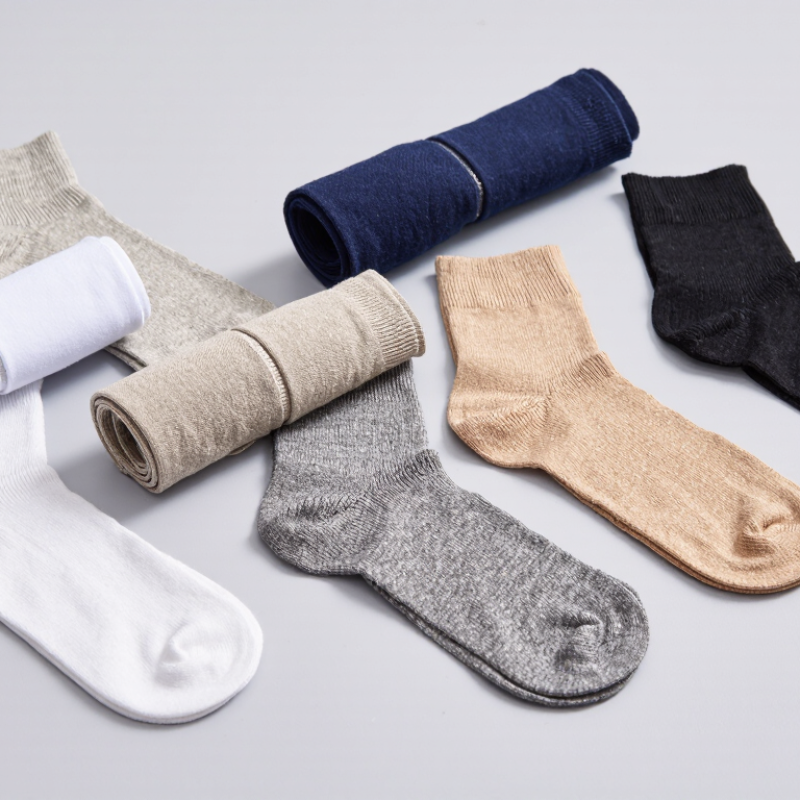
What Defines Crew and Ankle Socks for Wholesale Buyers
2026 Top Crew Ankle Socks for Wholesale Buyers?
What Defines Crew and Ankle Socks for Wholesale Buyers
For wholesale buyers, “crew” and “ankle” describe coverage, but labels alone do not guarantee consistent fit. Crew socks usually reach the lower calf; ankle socks sit around or just above the ankle bone. The boundary varies between suppliers, so compare measured samples with the intended shoes and size range. Check cuff height, heel-pocket depth, toe-seam bulk, and elastic recovery after repeated stretching. Small details show up quickly on a store shelf. A cuff that slips creates complaints; one that is too tight may leave marks.
Material specifications matter too. Textile Exchange’s Materials Market Report 2024 estimates global fiber production at 124 million tonnes in 2023, with polyester accounting for 57%. That scale helps explain why polyester blends are common, but fiber share alone cannot predict comfort or durability. Record fiber percentages, knit density, cushioning zones, and shrinkage after laundering. Ask suppliers for test conditions, not just “moisture-wicking” claims. It is easy to overlook. Specify size grading, color tolerance, and carton ratios before production; mixed assortments can leave buyers with slow-moving sizes. One imperfect point: wear trials take time, yet skipping them may cost more in returns and rework.
Materials, Construction, Fit, and Performance Features
For 2026 wholesale orders, assess materials alongside construction, not in isolation. Cotton-rich blends feel soft against the skin, while polyester can help socks dry faster. Nylon adds durability, and a modest amount of elastane supports stretch and recovery. Check the yarn feel, fabric weight, and cuff tension on physical samples. Small details matter. A smooth toe seam can reduce rubbing inside work shoes, while reinforced heels and toes may better withstand daily wear. Wash-test samples before committing; one test is useful, but it may not reveal every issue.
Crew height should sit comfortably above the ankle without slipping or pressing into the calf. Ask for measurements across several sizes, since labels alone do not guarantee a consistent fit. For active or warm-weather use, compare breathability and moisture handling under realistic conditions. Thick cushioning can improve comfort in roomy footwear, but may feel crowded in a close-fitting shoe. That trade-off is easy to overlook. Check how the sock performs after repeated wear, not just how it looks fresh from the package.
Tips: Request a size run and wash-test samples. Inspect toe seams, heel reinforcement, and cuff recovery, then record any changes in fit or feel. Small trials can reveal problems before a larger order.
How to Compare Leading Sock Styles for Different Markets
Wholesale buyers should compare crew and ankle socks by use case, not by one “best” specification. In warm markets, low-cut ankle styles may suit trainers and daily commuting. Crew socks offer more coverage for uniforms, cooler weather, and work boots. Fit matters. Check the heel pocket, cuff recovery, and whether the toe seam rubs after several hours.
Fiber blends change the feel and care profile. Cotton-rich socks feel familiar, while added polyester or nylon can improve drying and shape retention. For active buyers, compare mesh zones, cushion thickness, and fabric weight; extra padding can feel bulky inside narrow shoes. Ask suppliers for size grading, shrinkage results, and wash-test details. Then inspect physical samples, not just color cards. Small differences show.
Market data should guide color, pack size, and price tier. Retailers serving uniform customers may need consistent shades and durable cuffs; fashion-led shops may prefer seasonal colors and lighter profiles. A sample can look right but wear differently in production. That is easy to overlook. Record tester feedback, even when opinions conflict, and adjust the specification before placing a large order.
Top Crew and Ankle Sock Categories by Buyer Needs
Wholesale sock assortments work best when categories match how customers wear them, not just color trends. Top crew socks suit shoppers seeking more calf coverage, added warmth, or a visible edge above boots and trainers. Buyers can compare cotton-rich everyday crews, cushioned sport crews, and finer office styles by yarn feel, stretch recovery, and cuff pressure. Check the seams and heel shape. Small details matter.
Ankle socks appeal to customers who prefer less coverage with sneakers, walking shoes, or warm-weather outfits. Lightweight, breathable styles fit daily wear, while padded soles and reinforced heels may better suit active use. Cuff height deserves a close look: too low, and the sock may slip inside the shoe; too high, and it may rub the ankle. Fit varies between shoe shapes, so sample testing is useful. It is not always neat.
For wholesale planning, offer a balanced size range and compare fabric, stitching, and color consistency across production samples. Crews often serve customers prioritizing coverage, while ankle styles suit low-profile footwear. A compact assortment can include both, with neutral basics alongside a few seasonal colors. Track repeat orders by size and style before expanding quantities. I would not assume one fit works for every market.
Wholesale Sourcing, Quality Control, and Order Planning
2026 Top Crew Ankle Socks for Wholesale Buyers?
Wholesale sourcing starts with a clear specification, not a vague request for “everyday socks.” Define the crew-ankle height, fiber blend, size range, cushioning, and intended use. A measured sample matters. Check the cuff after stretching, and compare the heel pocket against a real size chart. Small differences can affect fit across a large order.
Quality control should happen before bulk production and again during packing. Inspect several pairs from different cartons, not just the sample chosen by the supplier. Look for loose yarn ends, uneven toe seams, mismatched colors, and cuffs that roll or pinch. Wash-test a few pairs for shrinkage and color change. One wash is useful, but it is not a full durability test. Keep dated notes and photos; memory gets unreliable when several styles are under review.
Order planning needs room for delays and uneven demand. Confirm production and shipping windows in writing, then set a reorder point based on actual sales, not hope. Ask how size assortments are packed and whether repeat orders can match the approved sample. A small pilot order may reveal packing or fit issues before they multiply. It can feel slower. Sometimes that caution is worth the shelf space.
